What Is Infrastructure Flooding? Causes, Risks and Planning Implications
Estimated reading time 5 minutes
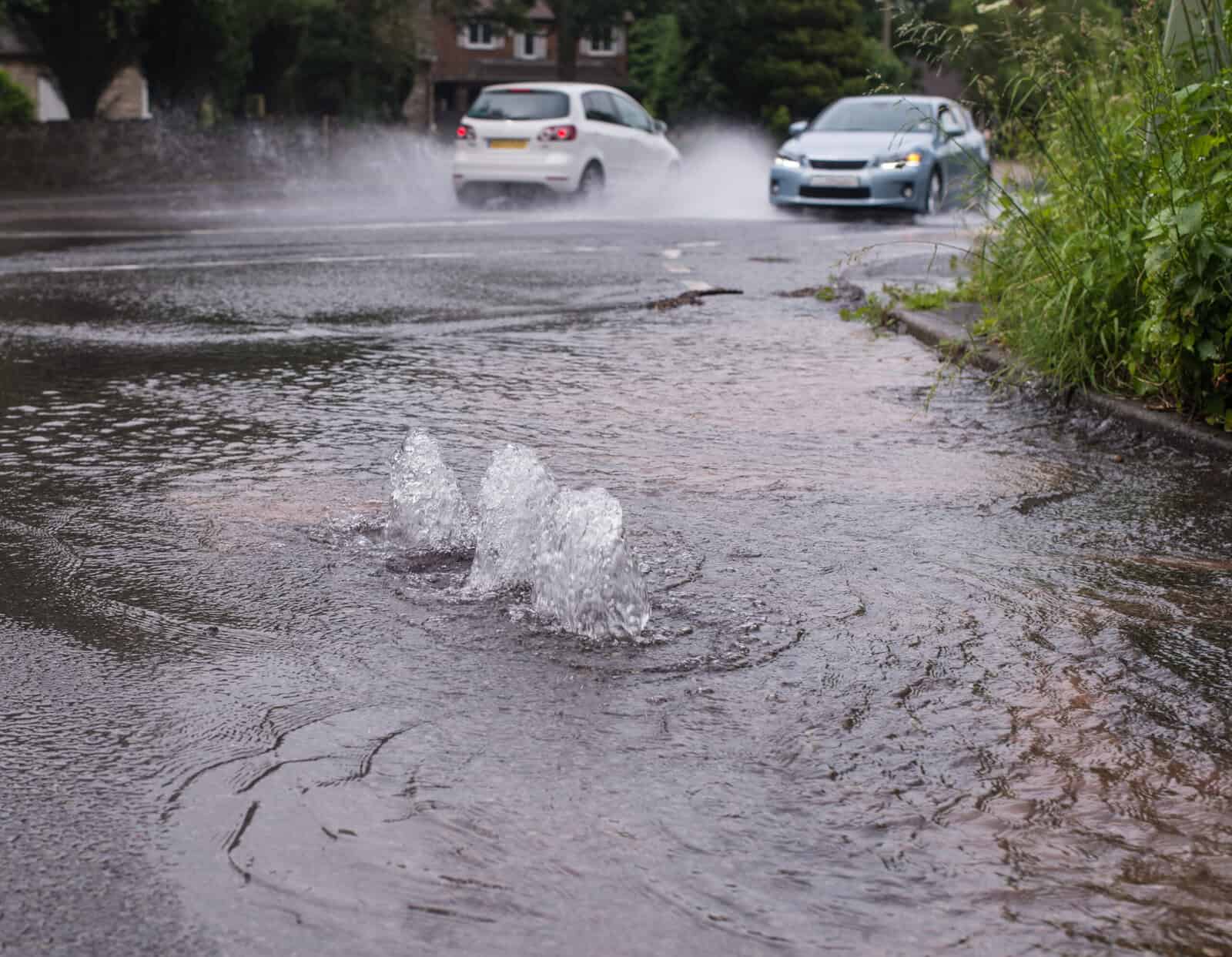
Flooding can also occur when water escapes from man-made infrastructure such as canals, water mains, culverts or other engineered systems. This type of flooding is often referred to as infrastructure flooding or artificial source flooding.
Infrastructure flooding occurs when water stored, transported or controlled by engineered systems is released unexpectedly. This may happen due to structural failure, accidental damage or operational issues affecting infrastructure assets.
Although infrastructure flooding is generally less common than flooding from rivers, rainfall or the sea, it can still affect properties and land located close to water infrastructure. Understanding infrastructure flooding is therefore important for property owners, developers and planning professionals when assessing potential sources of flood risk.
How Infrastructure Flooding Happens
Infrastructure flooding occurs when water escapes from engineered systems designed to store or convey water.
Many types of infrastructure manage or transport water as part of essential services such as water supply, navigation, drainage or flood management. When these systems fail or become damaged, water may be released in an uncontrolled way.
Examples include:
- canal breaches, where embankments fail and water escapes from the canal channel
- burst water mains, which can release large volumes of pressurised water into surrounding areas
- culvert failures or blockages, causing watercourses to overflow
- pumping station failures, preventing drainage systems from operating correctly
The scale and impact of flooding depends on the type of infrastructure involved and the volume of water released.
Unlike reservoir flooding, which relates specifically to large raised reservoirs, infrastructure flooding generally involves smaller engineered systems distributed across towns, cities and transport corridors.
Where Infrastructure Flooding Occurs in the UK
Infrastructure flooding can occur in areas located close to water infrastructure assets.
Typical locations potentially affected include:
Areas near canals
Canals are often elevated above surrounding land within embankments. If these embankments fail or breach, water may flow into nearby streets, farmland or property.
Urban areas with water supply networks
Cities and towns contain extensive networks of water mains. When these pipes burst, large volumes of pressurised water may escape rapidly.
Locations with culverted watercourses
Watercourses that flow through underground culverts can cause flooding if structures collapse or become blocked.
Areas served by pumping infrastructure
Low-lying areas often rely on pumping stations to remove water. Failure of these systems can allow water levels to rise locally.
Because infrastructure flooding depends on the condition and operation of specific assets, the risk is usually localised and related to nearby infrastructure.
How Infrastructure Flood Risk Is Mapped
Infrastructure flooding is not typically mapped through national flood risk datasets in the same way as river, coastal or surface water flooding.
Information about infrastructure assets is usually held by asset owners and operators, such as:
- water and sewerage companies
- canal and navigation authorities
- infrastructure operators and utilities
Local authorities may also refer to artificial sources of flooding within Strategic Flood Risk Assessments (SFRAs) where infrastructure assets present potential flood risk.
Because infrastructure flooding is linked to specific assets and engineering systems, it is rarely represented on national mapping services such as the Flood Map for Planning.
Assessing infrastructure flood risk therefore often requires site-specific review of nearby infrastructure and consultation with the relevant asset owners.
Infrastructure Flooding and Planning Applications
Infrastructure-related flooding can be relevant when planning development near water infrastructure.
Planning policy requires development proposals to consider all sources of flooding, including artificial or infrastructure-related sources where relevant.
Where a site is located close to infrastructure capable of releasing significant volumes of water, a Flood Risk Assessment may need to consider the potential implications for the development.
Mitigation measures may include:
- maintaining safe stand-off distances from canals or water infrastructure
- designing development layouts to avoid potential flood pathways
- incorporating flood resilience measures into buildings
- ensuring safe access and evacuation routes during emergency events
Consultation with infrastructure owners may also be required during the planning process where development could affect or be affected by nearby infrastructure.
Key Things Property Owners Should Know About Infrastructure Flooding
Several important points are worth understanding about infrastructure flooding.
Flooding is usually linked to specific infrastructure assets
Infrastructure flooding often occurs near canals, water mains, culverts or pumping systems.
Events are typically localised
Because the source is related to individual infrastructure assets, flooding usually affects relatively small areas.
Infrastructure is usually monitored and maintained
Most water infrastructure is operated by regulated organisations that inspect and maintain assets to minimise the risk of failure.
Understanding the presence of nearby infrastructure can help property owners and developers assess potential flood risks.
Need Advice on Infrastructure Flood Risk?
Infrastructure flood risk can be difficult to identify because it often depends on the location and condition of individual assets rather than national flood mapping.
Where infrastructure flooding may affect a planning application, property purchase or development proposal, a detailed Flood Risk Assessment can help identify potential risks and appropriate mitigation measures.
Unda’s flood risk consultants specialise in Flood Risk Assessments, drainage strategies and planning support across the UK. If you need advice on infrastructure flooding or flood risk more generally, contact Unda to discuss your project with an experienced consultant.


One of our experienced Flood Risk Consultants will get back to you within 60 minutes