+44 (0) 1293 214444
enquiries@unda.co.uk
Flood Risk
Flood Risk Assessment Services
Flood Risk Assessment (FRA) for Planning
Flood Risk Assessment (FRA) for Homebuyers
Flood Risk Assessment (FRA) for Insurance
Flood Risk Assessment (FRA) for Due Diligence
Flood Risk Assessment (FRA) for Business Continuity
Flood Risk Assessment (FRA) for Groundwater
Flood Risk Assessment (FRA) for BREEAM
Flood Consequence Assessment (FCA) for Planning
Flood Warning and Evacuation Plan for Planning
Sequential and Exception Test Reports for Planning
Flood Risk Feasibility Study
Flood Modelling Services
Drainage
Drainage Strategies for Planning
Surface Water Drainage Strategy (SuDS) for Planning
Foul Drainage Strategy for Planning
Discharge of Drainage Planning Conditions
Knowledge
Local Knowledge
Planning Knowledge
River Knowledge
Case Studies
Latest News
Tools
Flood Risk Map
Live River Levels Map
Geology and Ground Conditions Map
Drainage Calculators
BRE 365 Infiltration Rate Calculator
About
About Unda
Flood Risk Consultants
In the Media
Careers
Contact Us
News
Get in Touch
All Categories
Deep Dive
Guides & How-Tos
Industry Insights
Insurance & Finance
News & Updates
Policy & Legislation
Technical Insights
Uncategorized
Understanding Flood Risk
Reset
228 posts found
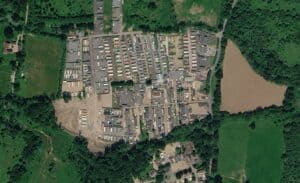
Flood Risk and Drainage for Gypsy and Traveller Sites: The Planning Requirements
A Gypsy and Traveller site flood risk assessment is needed for almost every pitch scheme on land that carries any flood risk, and these applications are judged against a tougher standard than ordinary housing. The reason is the caravan. Under…
Posted on 19th August, 2026
by Jackie Stone
in
Policy & Legislation
,
Understanding Flood Risk
.
Section 104 and Section 102 Agreements: A Developer’s Guide to Sewer Adoption
Posted on 18th August, 2026
by Edward Bouët
in
Policy & Legislation
,
Understanding Flood Risk
.
What is a Section 106 (drainage)? The right to connect to a public sewer
Posted on 18th August, 2026
by Edward Bouët
in
Policy & Legislation
,
Understanding Flood Risk
.
The Surface Water Sequential Test Exemption: Evidencing It Under Policy F5
The surface water sequential test exemption is the biggest change Policy F5 makes to flood risk decision-making in the August 2026 NPPF. It lets a site at risk of surface water flooding only avoid the sequential test — but only…
Posted on 18th August, 2026
by Edward Bouët
in
News & Updates
,
Policy & Legislation
.
NPPF August 2026 Changes: Flood Risk and Drainage Implications for Planning
The NPPF 2026 changes are now live. Government published the new National Planning Policy Framework on 17 August 2026, and it applies to planning decisions in England from the day of publication. For flood risk and drainage this is no…
Posted on 17th August, 2026
by Edward Bouët
in
News & Updates
,
Policy & Legislation
.
Campsite and glamping flood risk and drainage: the planning requirements in England
A campsite flood risk assessment is required for any camping, glamping or holiday caravan proposal in Flood Zone 2 or 3, and for sites in Flood Zone 1 that are a hectare or more, sit in a critical drainage area,…
Posted on 17th August, 2026
by Jackie Stone
in
News & Updates
,
Policy & Legislation
.
Five floods in two years: what a medieval disaster teaches us about back-to-back flooding
Between the autumn of 1341 and the end of 1343, much of Europe flooded again and again. A study published in Nature in August 2026 counted sixteen major flood events in that short window. Four of them were so large…
Posted on 13th August, 2026
by Edward Bouët
in
News & Updates
,
Understanding Flood Risk
.
Why do water mains burst in hot weather? The hidden burst season explained
Ask most people when a pipe bursts and they will say winter: a hard frost, a big freeze, water turning to ice and splitting the metal. Half right. The summer of 2026 is busy proving the other half. As I…
Posted on 13th August, 2026
by Freya Pott
in
News & Updates
,
Understanding Flood Risk
.
Can I Build a House Extension in a Flood Zone?
Yes, and most of them get built. Wanting a house extension in a flood zone is not the problem; the sticking point is the evidence the council asks for before it will grant permission. Sitting in Flood Zone 2 or…
Posted on 13th August, 2026
by Edward Bouët
in
News & Updates
,
Policy & Legislation
.
What have the Romans ever done for us? Aside from the drainage, obviously
Ask a Roman what they ever did for us and you would probably get a shrug and a wave at, well, everything. Put the same question to a flood-risk engineer, though, and the answer turns oddly specific: a startling amount…
Posted on 11th August, 2026
by Edward Bouët
in
News & Updates
,
Understanding Flood Risk
.
Skinningrove Flood Alleviation Scheme: £13m Defences Begin in 2026
Construction has started on the Skinningrove flood alleviation scheme, a £13 million Environment Agency project, delivered with Redcar and Cleveland Borough Council, that will protect more than 100 homes in the coastal village by 2028. At its heart is a…
Posted on 10th August, 2026
by Edward Bouët
in
News & Updates
,
Understanding Flood Risk
.
“Granny Annexe” Flood Risk Assessment: The Planning Rules
A granny annexe is self-contained accommodation built for a relative, usually an elderly parent, either added to a house or converted from a garage, stable or outbuilding. “Granny annexe” is the everyday name; in planning language it is ancillary or…
Posted on 7th August, 2026
by Jackie Stone
in
News & Updates
,
Policy & Legislation
.
Do you need a flood risk assessment for a change of use to an HMO?
Usually, yes. A flood risk assessment is required for a change of use to an HMO wherever the site sits in Flood Zone 2 or 3, and in a growing number of Flood Zone 1 cases too. An HMO is…
Posted on 7th August, 2026
by Jackie Stone
in
News & Updates
,
Policy & Legislation
.
Flood risk and drainage in the planning process: where they fit at every stage
If you are applying for planning permission for the first time, the part most likely to catch you out is not the design or the neighbours. It is flood risk and drainage in the planning process. Flooding and surface water…
Posted on 6th August, 2026
by Edward Bouët
in
Policy & Legislation
,
Understanding Flood Risk
.
What is a consultee in a planning application? Statutory consultees explained
A consultee is a body or person the local planning authority asks for a view on your planning application before it makes a decision. Some are named in law and must be consulted on particular kinds of development. These are…
Posted on 5th August, 2026
by Jackie Stone
in
News & Updates
,
Policy & Legislation
.
Flood Risk Assessment and Drainage Strategy: Do You Need Both?
Most applications that need one of these documents need the other too. A flood risk assessment and a drainage strategy answer different questions: the first asks whether the site floods and whether your development makes flooding worse somewhere else, the…
Posted on 4th August, 2026
by Antony Rousou
in
Policy & Legislation
,
Understanding Flood Risk
.
Do you need a flood risk assessment for an office-to-residential conversion (Class MA)?
Often, yes: a flood risk assessment for an office to residential conversion is required whenever the building sits in Flood Zone 2 or 3, because Class MA permitted development still has to clear prior approval, and flooding is one of…
Posted on 3rd August, 2026
by Jackie Stone
in
News & Updates
,
Policy & Legislation
.
Do you need a flood risk assessment for a barn conversion (Class Q)?
Yes — if the barn sits in a flood risk area, a flood risk assessment for a barn conversion is almost always required, even though the work is permitted development. Class Q lets you turn an agricultural building into a…
Posted on 3rd August, 2026
by Jackie Stone
in
News & Updates
,
Policy & Legislation
.
The Flood Risk TAN15 Doesn’t Map: Quarries and Mine Tips in Wales
On the afternoon of Thursday 30th July 2026, the village of Gwaelod-y-Garth, below Garth Hill on the north-western edge of Cardiff, flooded within about a minute of a blast at the quarry above it. Four days on, the operator has…
Posted on 31st July, 2026
by Edward Bouët
in
News & Updates
,
Policy & Legislation
.
Flood Risk and Drainage for EV Charging Infrastructure: What Developers Need to Know
There were 119,080 public chargers on the UK network on 1 April 2026, and 27,372 of them were rated 50kW or above. Almost all of it went in on land nobody picked for its flood characteristics: retail car parks, filling-station…
Posted on 30th July, 2026
by Jackie Stone
in
Policy & Legislation
,
Understanding Flood Risk
.
Can a Planning Condition Make You Fix a Flood Problem You Didn’t Cause?
Almost every developer who has taken a drainage condition through to discharge has met some version of this. The site floods. The gardens next door flood. The culvert downstream has been surcharging since long before anyone applied for anything. And…
Posted on 29th July, 2026
by Edward Bouët
in
Policy & Legislation
,
Understanding Flood Risk
.
Shoreline Management Plans Explained: Hold the Line, Managed Realignment and No Active Intervention
England's coast runs to roughly 6,000km, and nearly all of it is covered by a shoreline management plan: the document that decides whether a stretch of shoreline gets defended, left alone, or allowed to move. A shoreline management plan (SMP)…
Posted on 27th July, 2026
by Edward Bouët
in
Policy & Legislation
,
Understanding Flood Risk
.
Erosion of trust: the government’s own words versus its coastal erosion grant
There is no coastal erosion compensation in the UK. If the sea takes your home, there is no insurance payout and no statutory compensation for the land or the building. Until 15 July 2026 there was a demolition grant that…
Posted on 24th July, 2026
by Edward Bouët
in
Policy & Legislation
,
Understanding Flood Risk
.
Sea Level Rise and Planning: Why 2100 Is No Longer the End of the Story
For most of UK practice, sea level rise and planning meet at a single tidy horizon: the end of this century. Flood risk assessments run their allowances out to the 2120s, defence schemes are appraised on similar timescales, and almost…
Posted on 22nd July, 2026
by Edward Bouët
in
Policy & Legislation
,
Understanding Flood Risk
.
What Will the Burnham Government Mean for Planning, Housing and Flood Risk?
Andy Burnham became Prime Minister on 20 July 2026, and the Burnham government's planning agenda is already taking shape. The cabinet is appointed, the first speech has been given, and the big in-flight reforms (the new NPPF, the national scheme…
Posted on 21st July, 2026
by Edward Bouët
in
News & Updates
,
Policy & Legislation
.
Local government reorganisation 2026: what England’s council shake-up means for flood risk and planning
England is part-way through the biggest reshaping of its councils in fifty years. Local government reorganisation replaces the two-tier system of county and district councils with single unitary authorities, and on 16 July 2026 the government confirmed the shift for…
Posted on 17th July, 2026
by Edward Bouët
in
News & Updates
,
Policy & Legislation
.
Discharge of Planning Conditions: Process, Timescales and Costs (2026)
Discharge of planning conditions is the formal step of asking your local planning authority to confirm, in writing, that a condition attached to your planning permission has been satisfied. In planning terms it is an “application for approval of details…
Posted on 14th July, 2026
by Antony Rousou
in
Policy & Legislation
,
Understanding Flood Risk
.
The SuDS Hierarchy Explained
The SuDS hierarchy is the order in which a development has to try to get rid of its surface water: reuse it first, then let it soak into the ground, then send it to a watercourse, then a surface water…
Posted on 9th July, 2026
by Edward Bouët
in
Policy & Legislation
,
Understanding Flood Risk
.
Why Does Rain Stop Play at Wimbledon? The Science of Grass Court Drainage
Every Wimbledon has the same ritual. A few spots of rain, the umpire calls a halt, and within seconds the ground staff are sprinting the covers across the grass. It looks like an overreaction on a warm July afternoon. It…
Posted on 8th July, 2026
by Edward Bouët
in
Technical Insights
,
Understanding Flood Risk
.
How Football Pitch Drainage Works: Lessons from the 2026 World Cup
Watch a World Cup match in a downpour and the ball still runs true. There are no puddles on the halfway line, no spray kicking up at every pass. That is not luck. Football pitch drainage is a piece of…
Posted on 7th July, 2026
by Edward Bouët
in
Technical Insights
,
Understanding Flood Risk
.
Romsey Flood Alleviation Scheme: How New Defences Are Reducing Flood Risk in 2026
The Romsey flood alleviation scheme has just been strengthened again. In May 2026 the Environment Agency finished raising Stockbridge Road near Timsbury by around 40 centimetres and rebuilt the flood defence at a nearby weed-recovery compound: the latest step in…
Posted on 6th July, 2026
by Edward Bouët
in
News & Updates
,
Understanding Flood Risk
.
Do building control and planning talk to each other? Drainage, SuDS and the gap between them
A building control officer tells you the simplest thing to do is run the surface water into the sewer. Your planning condition says infiltration first, greenfield runoff rates, attenuation for a one-in-100-year storm. Both cannot be right, and only one…
Posted on 3rd July, 2026
by Edward Bouët
in
Policy & Legislation
,
Understanding Flood Risk
.
Flood ReThink 2026: Flood Performance Certificates Explained
A Flood Performance Certificate (FPC) is a proposed rating of how well a home withstands flooding, and it is one of the headline proposals in the reforms Flood Re set out on 2 July 2026, ten years after the scheme…
Posted on 3rd July, 2026
by Jackie Stone
in
Insurance & Finance
,
Understanding Flood Risk
.
Retrospective Planning Applications: Flood Risk and Drainage Explained
A retrospective planning application is a normal application made after building work has already started or finished. Where that development sits in a flood risk area, or changes how surface water drains from the site, the retrospective planning application flood…
Posted on 2nd July, 2026
by Edward Bouët
in
Policy & Legislation
,
Understanding Flood Risk
.
Nutrient Neutrality in Planning: A 2026 Guide for England
Nutrient neutrality is a planning requirement that stops a new development from adding any extra nitrogen or phosphorus to a protected river, estuary or wetland that is already polluted. In dozens of English catchments it has become one of the…
Posted on 30th June, 2026
by Jackie Stone
in
Policy & Legislation
,
Understanding Flood Risk
.
What Is a SuDS Proforma and When Is It Required?
A SuDS proforma — also called a drainage proforma or sustainable drainage proforma — is a standardised summary form that goes in with a sustainable drainage strategy on a planning application. It sets out the key drainage information in a…
Posted on 26th June, 2026
by Antony Rousou
in
Policy & Legislation
,
Understanding Flood Risk
.
What is Water Neutrality? A 2026 guide for planning
Water neutrality is a planning requirement that a new development must not increase the total amount of water taken from the environment for public supply. In practice it means the extra demand created by new homes or buildings has to…
Posted on 24th June, 2026
by Jackie Stone
in
Policy & Legislation
,
Understanding Flood Risk
.
Planning Application Invalidated? The Flood Risk and Drainage Documents You’re Missing
A planning application invalidated for flood risk or drainage almost always comes down to one thing: a document the local planning authority treats as mandatory is missing from the submission. Most often that is a flood risk assessment (FRA), a…
Posted on 22nd June, 2026
by Antony Rousou
in
News & Updates
,
Policy & Legislation
.
Climate Whiplash: What New UK River Research Means for Flood and Drought Risk
Climate whiplash, the abrupt swing between flood and drought as the climate warms, is set to become more common across the UK, according to major new research led by the University of East Anglia's Tyndall Centre. The study modelled almost…
Posted on 19th June, 2026
by Jackie Stone
in
Technical Insights
,
Understanding Flood Risk
.
Sequential test, exception test and the planning balance: lessons from the Yatton judgment
When a flood risk scheme fails the sequential test, does the decision end there? The High Court has now answered plainly. In *North Somerset District Council v Secretary of State for Housing, Communities and Local Government* [2026] EWHC 1430 (Admin),…
Posted on 18th June, 2026
by Edward Bouët
in
Policy & Legislation
,
Understanding Flood Risk
.
Why the Somerset Levels flood — and what £50m will (and won’t) fix
The Somerset Levels flood because they are a low-lying former wetland, much of which sits at or below the level of the rivers and tides meant to drain it. In a wet winter, water arrives faster than the catchment can…
Posted on 17th June, 2026
by Edward Bouët
in
News & Updates
,
Understanding Flood Risk
.
The Four Pillars of SuDS Explained: Quantity, Quality, Amenity & Biodiversity
The four pillars of SuDS are water quantity, water quality, amenity and biodiversity — the four objectives a well-designed sustainable drainage system is meant to deliver at the same time. They come from the CIRIA SuDS Manual (C753) and now…
Posted on 16th June, 2026
by Antony Rousou
in
Technical Insights
,
Understanding Flood Risk
.
Permeable Paving for Planning Applications: When It Works and When It Doesn’t
Permeable paving is one of the most common SuDS features used in drainage strategies for planning applications, and on the right site it is one of the most useful. It lets rainfall pass through the surface into a stone sub-base…
Posted on 15th June, 2026
by Antony Rousou
in
Technical Insights
,
Understanding Flood Risk
.
Leaky Dams and Flood Risk: What They Do, Where They Work, and What They Can’t Fix
Anyone who has watched the latest series of Clarkson's Farm will have seen Jeremy Clarkson wading into a stream at Diddly Squat to build what he gleefully describes, after a bit of reading on the government's website, as "large, leaky,…
Posted on 13th June, 2026
by Charlotte Stone
in
Policy & Legislation
,
Understanding Flood Risk
.
Critical Drainage Areas: What They Mean for Planning Applications
A critical drainage area is land where surface water runoff, drainage capacity or overland flow routes are sensitive enough that the planning authority wants flood risk dealt with before permission is granted, not after. If your site sits inside one,…
Posted on 12th June, 2026
by Antony Rousou
in
Policy & Legislation
,
Understanding Flood Risk
.
Do You Need Infiltration Testing? When It’s Required for Planning
Do you need infiltration testing? You need it when your drainage strategy relies on getting surface water into the ground and your planning authority wants proof the ground can actually take it. If you are proposing soakaways, infiltration trenches or…
Posted on 11th June, 2026
by Antony Rousou
in
Policy & Legislation
,
Technical Insights
.
Human-driven sea level rise is increasing coastal flooding: what it means for UK flood risk
Two studies published on the same day this week reached the same uncomfortable conclusion: the rise in coastal flooding we are already seeing is being driven, in large part, by human-caused sea level rise. Not a future risk. A present…
Posted on 10th June, 2026
by Edward Bouët
in
News & Updates
,
Understanding Flood Risk
.
Residual Flood Risk Explained: How It’s Assessed and Managed
Residual flood risk is the risk left over after defences, drainage and mitigation have done what they can. No scheme removes risk entirely. A defended site still floods if a barrier is overtopped, if a defence breaches, or if a…
Posted on 9th June, 2026
by Edward Bouët
in
Technical Insights
,
Understanding Flood Risk
.
Why the Insurance Industry Is Warning Against the NPPF Flood Risk Changes
In early March 2026, as the government’s consultation on its revised National Planning Policy Framework drew to a close, seventeen of the most significant names in UK flood risk signed a single joint letter to ministers. Insurers, mortgage lenders, brokers…
Posted on 8th June, 2026
by Jackie Stone
in
Industry Insights
,
Insurance & Finance
.
Why Can’t I Use the Long Term Flood Risk Map for My Planning Application?
You cannot use the Environment Agency's long term flood risk map to support a planning application. It does not set Flood Zones, it cannot exempt a site from the Sequential Test, and since 28 May 2026 the EA's own suitability…
Posted on 5th June, 2026
by Jackie Stone
in
Policy & Legislation
,
Understanding Flood Risk
.
Can You Build a House on Stilts in a Flood Zone? Floodable Voids Explained
Yes, you can build a house on stilts in a flood zone in England, and floodable voids are the engineering that makes it work. A floodable void is an open space beneath a building that lets floodwater flow in, through…
Posted on 4th June, 2026
by Jesy Ferry
in
Policy & Legislation
,
Understanding Flood Risk
.
Groundwater Flood Risk Maps in the UK: How to Check a Site
There is no single official groundwater flood map for the UK in the way there is for rivers and the sea. That gap is the first thing to understand when you try to check groundwater flood risk: the familiar national…
Posted on 2nd June, 2026
by Jackie Stone
in
Technical Insights
,
Understanding Flood Risk
.
Surface Water Flooding and Planning: A Complete Guide for Developers
Surface water is the most widespread source of flood risk in England, and the August 2026 National Planning Policy Framework has made how you handle it decisive at the planning stage. Getting surface water flooding and planning right now turns…
Posted on 1st June, 2026
by Edward Bouët
in
Policy & Legislation
,
Understanding Flood Risk
.
EA Flood Map for Planning: May 2026 Update — Surface Water Climate Change Data
On 28th May 2026 the Environment Agency added surface water climate change extents and banded depth layers to the Flood Map for Planning. The Check Your Long Term Flood Risk (CYLTFR) surface water data should no longer be used for…
Posted on 28th May, 2026
by Edward Bouët
in
News & Updates
,
Policy & Legislation
.
BREEAM Flood Risk Assessments Explained
BREEAM is the leading sustainability assessment method for buildings, and flood risk is one of the things it rewards designers for managing well. A BREEAM flood risk assessment is not quite the same as the flood risk assessment you submit…
Posted on 25th May, 2026
by Emma Jeffery
in
Policy & Legislation
,
Understanding Flood Risk
.
Groundwater Flood Risk and Planning Applications: What Developers Need to Submit
Key takeaways If your site needs a Flood Risk Assessment, that FRA must assess groundwater — it is not optional under the NPPF and Planning Practice Guidance. The national flood maps do not show groundwater. Screen with the BGS Susceptibility…
Posted on 22nd May, 2026
by Edward Bouët
in
News & Updates
,
Understanding Flood Risk
.
Can AI Write a Flood Risk Assessment?
Ask any chatbot to write a flood risk assessment and it will hand you a confident, well-formatted document in seconds. That is the easy part, and it is also the misleading part, because a flood risk assessment is not really…
Posted on 20th May, 2026
by Edward Bouët
in
Policy & Legislation
,
Understanding Flood Risk
.
EA SWIM Explained: Building a Business Case for Small-Scale SuDS Investment
The Surface Water Investment Model (SWIM) is an Environment Agency approach, published on 18 May 2026, for building a business case to invest in many small sustainable drainage features across a wide area, rather than one large scheme, so their…
Posted on 19th May, 2026
by Antony Rousou
in
Policy & Legislation
,
Understanding Flood Risk
.
Property Flood Resilience and Planning: The 2025 FloodReady Action Plan, the CIRIA Code and Build Back Better
Property flood resilience (PFR) has moved from the margins of flood policy towards the centre of it. The 2025 FloodReady action plan, the maturing CIRIA Code of Practice, and insurance-side schemes like Build Back Better have made the idea of…
Posted on 14th May, 2026
by Jackie Stone
in
Policy & Legislation
,
Understanding Flood Risk
.
The Flood Knowledge Gap Between Communities and Institutions
In 1724, a local historian described one Berkshire village as "a low and watery place" where "water is a dominant theme … with disastrous floods, both within and beyond living memory." More than two centuries later, that village still requires…
Posted on 11th May, 2026
by Edward Bouët
in
Deep Dive
,
Understanding Flood Risk
.
EA River Modelling Technical Standards (2026): What Flood Risk Assessments Must Demonstrate
Hydraulic modelling sits behind almost every detailed flood risk assessment, and the Environment Agency sets the standard for how those models are built and reviewed. The EA's river modelling technical standards define what a credible model looks like and what…
Posted on 8th May, 2026
by Emma Jeffery
in
Technical Insights
,
Understanding Flood Risk
.
Nature-Based Flood and Drought Resilience: The Evidence Gap POSTnote 768 Just Flagged
Nature-based flood and drought resilience, a new briefing from the Parliamentary Office of Science and Technology (POSTnote 768) published on 1 May 2026, includes a statistic worth dwelling on: research on the potential benefits of nature-based solutions outnumbers research on…
Posted on 5th May, 2026
by Charlotte Stone
in
News & Updates
,
Understanding Flood Risk
.
Surface Water Flood Risk in England’s Towns and Cities: What the Data Now Shows
Posted on 29th April, 2026
by Edward Bouët
in
News & Updates
,
Understanding Flood Risk
.
Fens 2100+: flood risk management is reaching its limits – and the Fens show why
The Fens 2100+ reports set out one of the clearest assessments yet of flood risk, drainage and water management in England. They do not introduce a new problem, but they quantify one that has been building for decades. Fens 2100+…
Posted on 28th April, 2026
by Emma Jeffery
in
News & Updates
,
Understanding Flood Risk
.
What are ‘spongy landscapes’ and how do they reduce flood risk?
Flood risk is often discussed in terms of rivers, drainage systems and flood defences. That makes sense, but it misses something important: a flood often starts long before water reaches a river channel or a roadside drain. It starts with…
Posted on 24th April, 2026
by Charlotte Stone
in
News & Updates
,
Understanding Flood Risk
.
From 6-Hour Warning to Spade in Ground: What SWFFIP Means for Planning
On 16th April the Flood Forecasting Centre published the results of SWFFIP, the Surface Water Flood Forecasting Improvement Project. The programme brings two models into fuller operational use: the Surface Water Flooding Hazard Impact Model (SWFHIM), which has been running…
Posted on 21st April, 2026
by Jackie Stone
in
News & Updates
,
Understanding Flood Risk
.
Are Flood Maps Accurate? Why a Property Can Flood When the Map Says Low Risk (and Vice Versa)
Are flood maps accurate? At the scale they are built for, a region, a catchment, a whole postcode, broadly yes. At the scale that matters when you are buying a house or designing a single building, often not. National flood…
Posted on 17th April, 2026
by Jackie Stone
in
Industry Insights
,
Understanding Flood Risk
.
Groundwater Monitoring for Planning: Requirements, Timing and Delays
Groundwater monitoring for planning is the process of measuring how the water table beneath a site rises and falls over time, usually to prove that an infiltration-based drainage scheme will work. It is most often needed where Sustainable Drainage Systems…
Posted on 14th April, 2026
by Ellen Webb
in
Policy & Legislation
,
Understanding Flood Risk
.
Source Control in UK Drainage: SuDS at Plot Level
Source control means managing rainfall as close as possible to where it lands, before it has a chance to run off into the wider drainage network. It sits at the very top of the SuDS hierarchy, and in principle it…
Posted on 9th April, 2026
by Edward Bouët
in
Policy & Legislation
,
Understanding Flood Risk
.
What Drainage Information Is Needed for Planning Permission?
For years it was standard practice to secure surface water drainage by planning condition and work up the detailed design after permission was granted. That route still exists. What has changed is how much a planning application has to demonstrate…
Posted on 2nd April, 2026
by Edward Bouët
in
News & Updates
,
Policy & Legislation
.
Planning Appeals 2026: Why Flood Risk and Drainage Must Be Right First Time
From 1 April 2026, the way planning appeals work in England changed, and the change lands hardest on anyone relying on flood risk or drainage evidence. Most appeals now run through a streamlined written procedure, and the Planning Inspectorate will…
Posted on 27th March, 2026
by Emma Jeffery
in
News & Updates
,
Policy & Legislation
.
Groundwater, heritage, and the cost of getting flood risk wrong
Flood defences are designed to keep water out. This case shows what happens when they change where the water goes instead. A recent Upper Tribunal decision involving The King’s Lodging in Sandwich has brought an often-overlooked aspect of flood risk…
Posted on 26th March, 2026
by Edward Bouët
in
News & Updates
,
Understanding Flood Risk
.
LLFA Objection to a Planning Application: Why Drainage Strategies Are Rejected and How to Resolve It
An LLFA objection to a planning application is one of the most common hurdles a development can hit, and one of the most resolvable. It rarely means the scheme is unacceptable in principle. It means the Lead Local Flood Authority,…
Posted on 23rd March, 2026
by Edward Bouët
in
Policy & Legislation
,
Understanding Flood Risk
.
Environment Agency Objection to Your Planning Application (Flood Risk): How to Resolve It
An Environment Agency objection to a planning application on flood risk grounds is unsettling, but it is rarely the end of a scheme. In most cases it means the flood risk evidence in front of the local planning authority is…
Posted on 23rd March, 2026
by Edward Bouët
in
Policy & Legislation
,
Understanding Flood Risk
.
England Land Use Framework Published: Flood Risk and Planning Impact
The government has published England’s first Land Use Framework, setting out a long-term strategy for how land is allocated across housing, farming, infrastructure and the natural environment. The framework responds to a fundamental constraint: land is finite, but demand is…
Posted on 20th March, 2026
by Charlotte Stone
in
News & Updates
,
Understanding Flood Risk
.
What Is Environment Agency Flood Data? Product 4, 5, 6 and 7 Explained
Environment Agency flood data underpins how flood risk is assessed in the English planning system, yet it is one of the most misunderstood parts of the process. Terms like "Product 4" or "Product 6" get passed around in pre-application advice,…
Posted on 20th March, 2026
by Edward Bouët
in
Policy & Legislation
,
Understanding Flood Risk
.
£1.4bn Flood Defence Funding 2026/27 Explained
The UK government has announced £1.4 billion of flood defence funding for 2026 / 27, supporting more than 600 schemes across England, as set out in the official £1.4bn flood investment announcement. The funding is intended to reduce flood risk…
Posted on 18th March, 2026
by Edward Bouët
in
News & Updates
,
Understanding Flood Risk
.
How to Do a Flood Risk Assessment for Planning
A flood risk assessment (FRA) is a technical report that identifies how a site could flood, now and over the lifetime of a development, and shows a planning authority that the proposal will be safe and will not make flooding…
Posted on 17th March, 2026
by Edward Bouët
in
Industry Insights
.
Flood Risk Assessment Cost: What Drives the Price and Why Bespoke Beats Fixed
Ask ten flood risk consultants what a flood risk assessment costs and the honest ones all say the same thing: it depends on the site. Anyone who quotes a firm figure before they have seen yours is guessing. The cost…
Posted on 16th March, 2026
by Edward Bouët
in
Industry Insights
.
Can I Do My Own Flood Risk Assessment for Planning?
If your planning application needs flood risk information, it is fair to ask whether you can do your own flood risk assessment rather than pay a consultant. You can, but only for a genuinely minor, low-risk proposal. What looks like…
Posted on 11th March, 2026
by Edward Bouët
in
Industry Insights
,
Policy & Legislation
.
Why a Conveyancing Flood Report Won’t Pass Planning (And What Will)
A conveyancing flood report will not pass planning, because it answers a different question from the one a planning authority is asking. A conveyancing flood report screens an existing property for a buyer or a lender. A planning flood risk…
Posted on 10th March, 2026
by Edward Bouët
in
Industry Insights
,
Understanding Flood Risk
.
New CIRIA guidance encourages communities to help maintain local flood defences
New guidance published by CIRIA is encouraging communities to play a more active role in maintaining local flood risk assets, including drainage channels, culverts and smaller flood defence structures. The guidance forms a three-part suite (C821) aimed at supporting community…
Posted on 6th March, 2026
by Jackie Stone
in
News & Updates
,
Policy & Legislation
.
Unda at the Manor Royal Jobs Fair – Crawley Town Hall
Today, members of the Unda team are at Crawley Town Hall taking part in the Manor Royal BID Jobs Fair, meeting local jobseekers and showcasing career opportunities within the business. Representing Unda at the event are Jackie and Antony, who…
Posted on 6th March, 2026
by Jackie Stone
in
News & Updates
.
Flood Funding Reform 2026: The New FCERM Guidance Explained
Defra has published new guidance governing how flood and coastal erosion schemes in England will be funded and prioritised from 2026 onwards. This is not a minor procedural update. It reshapes how projects are classified, how funding levels are calculated,…
Posted on 3rd March, 2026
by Jackie Stone
in
News & Updates
,
Policy & Legislation
.
Flood Risk Vulnerability Classification: The 2026 NPPF Guide (Annex F, Table 2)
Posted on 2nd March, 2026
by Edward Bouët
in
Policy & Legislation
,
Understanding Flood Risk
.
Wales’ £85m Flood Investment Explained
The Welsh Government has announced £85 million of funding for flood and coastal erosion risk management in Wales for 2026 – 27, describing it as the highest annual allocation ever delivered. The headline figure is significant. It builds on more…
Posted on 27th February, 2026
by Edward Bouët
in
News & Updates
,
Policy & Legislation
.
Dirty Business and the Politics of Britain’s Water Infrastructure
Channel 4’s Dirty Business has been widely described as more than a television drama. The Guardian suggested it could become the next cultural catalyst capable of intensifying public anger over environmental failure — a “blast of controlled fury” aimed squarely…
Posted on 25th February, 2026
by Jackie Stone
in
News & Updates
,
Policy & Legislation
.
Living with Water: What the UK Can Learn from Venice’s Everyday Flooding
Flooding in the UK is still widely framed as an abnormal disruption — a storm, a breach, an exceptional failure. Media narratives emphasise “record-breaking” rainfall and “once in a generation” events. Yet official modelling tells a more structural story. The…
Posted on 23rd February, 2026
by Edward Bouët
in
Deep Dive
,
Understanding Flood Risk
.
New Homes in Flood Risk Areas: Is 11% Really Evidence of Planning Failure?
On its own, the one-in-nine figure does not prove that planning has failed. When Aviva reported that 11% of new homes in flood risk areas were built where flooding is a medium or high risk, the headline landed as a…
Posted on 23rd February, 2026
by Jackie Stone
in
News & Updates
,
Understanding Flood Risk
.
Types of Flooding Explained: Sources of Flood Risk
Flooding can arise from several different sources, and understanding the types of flooding that may affect a site is an essential part of assessing flood risk for property, land and development proposals. While many people associate flooding primarily with rivers…
Posted on 19th February, 2026
by Edward Bouët
in
Policy & Legislation
,
Understanding Flood Risk
.
What Is Infrastructure Flooding? Causes, Risks and Planning Implications
Flooding can also occur when water escapes from man-made infrastructure such as canals, water mains, culverts or other engineered systems. This type of flooding is often referred to as infrastructure flooding or artificial source flooding. Infrastructure flooding occurs when water…
Posted on 18th February, 2026
by Edward Bouët
in
Understanding Flood Risk
.
What Is Reservoir Flooding? Causes, Risks and Planning Implications
Flooding can occur from the failure or overtopping of large raised water bodies such as reservoirs. This type of flooding is known as reservoir flooding. Reservoir flooding occurs when water stored behind a reservoir dam or embankment is suddenly released…
Posted on 18th February, 2026
by Edward Bouët
in
Understanding Flood Risk
.
What Is Sewer Flooding? Causes, Risks and Planning Implications
Flooding can also occur when sewer systems are unable to carry or contain the volume of water entering them. This type of flooding is known as sewer flooding. Sewer flooding occurs when wastewater or stormwater escapes from the sewer network…
Posted on 18th February, 2026
by Edward Bouët
in
Understanding Flood Risk
.
What Is Groundwater Flooding? Causes, Risks and Planning Implications
Groundwater flooding happens when water rises up from beneath the ground rather than spilling in from a river or running across the surface. After long, wet periods the water table — the level below which the ground is saturated —…
Posted on 18th February, 2026
by Edward Bouët
in
Understanding Flood Risk
.
What Is Tidal (Sea) Flooding? Causes, Risks and Planning Implications
Flooding in coastal areas is often caused by the sea rather than rivers or rainfall. This type of flooding is known as tidal flooding, sometimes referred to as coastal flooding or sea flooding. Tidal flooding occurs when sea water moves…
Posted on 18th February, 2026
by Edward Bouët
in
Understanding Flood Risk
.
What Is Fluvial (River) Flooding? Causes, Risks and Planning Implications
Flooding is often associated with rivers overflowing their banks, and this is known as fluvial flooding, sometimes referred to as river flooding. Fluvial flooding occurs when the volume of water flowing through a river channel exceeds its capacity. When this…
Posted on 18th February, 2026
by Edward Bouët
in
Understanding Flood Risk
.
What Is Pluvial (Surface Water) Flooding? Causes, Risks and Planning Implications
Flooding is often associated with rivers overflowing their banks, but a significant proportion of flooding in the UK occurs away from rivers and coastlines. One of the most common sources is pluvial flooding, also known as surface water flooding. Pluvial…
Posted on 18th February, 2026
by Edward Bouët
in
Understanding Flood Risk
.
Why Am I Still in a Flood Zone After New Flood Defences Have Been Built?
You watch a new flood wall go up, an embankment raised or a storage basin finished after years of planning. Then you open the Environment Agency's Flood Map for Planning and your property is still shown in a Flood Zone.…
Posted on 16th February, 2026
by Edward Bouët
in
Policy & Legislation
,
Understanding Flood Risk
.
Why Is My House in a Flood Zone if It Has Never Flooded?
"Why is my house in a flood zone? We have lived here for years and it has never flooded." It is one of the most common questions homeowners ask, and the answer is simpler than the mapping makes it look.…
Posted on 16th February, 2026
by Edward Bouët
in
Policy & Legislation
,
Understanding Flood Risk
.
Approved Despite Flood Risk Fears? What Planning Policy Actually Requires
Posted on 16th February, 2026
by Edward Bouët
in
Policy & Legislation
.
Does the Jubilee River Increase Downstream Flood Risk?
The Jubilee River is an 11.6 kilometre flood relief channel on the River Thames, opened in 2002 to lower flood levels in Maidenhead, Windsor and Eton. Because it moves a large volume of water from one part of the river…
Posted on 12th February, 2026
by Edward Bouët
in
News & Updates
,
Technical Insights
,
Understanding Flood Risk
.
River Thames Scheme delays raise questions over flood defence delivery
Recent political intervention and growing local frustration over the River Thames Scheme have brought long-running questions about flood defence delivery sharply back into focus. What began as a technically ambitious response to well-understood flood risk is increasingly becoming a case…
Posted on 9th February, 2026
by Edward Bouët
in
News & Updates
,
Technical Insights
,
Uncategorized
,
Understanding Flood Risk
.
How a £12.6m flood scheme is unlocking development in Stoke-on-Trent
The Fowlea Brook Flood Risk Management Scheme in Stoke-on-Trent has been completed by the Environment Agency, delivering a major upgrade to the city’s flood defences. The scheme is intended to reduce flood risk for 333 homes and businesses and represents…
Posted on 6th February, 2026
by Marketing Manager
in
News & Updates
,
Understanding Flood Risk
.
How Increasing Rainfall Is Changing Flood Risk in the UK
Flooding across the UK is becoming more frequent, more widespread and easier to trigger, and increasing rainfall is the reason. The shift is driven less by wilder storms than by a wetter atmosphere and wetter autumns and winters, which together…
Posted on 5th February, 2026
by Edward Bouët
in
Deep Dive
,
Technical Insights
,
Understanding Flood Risk
.
Flood Risk at Britain’s Landmarks: What Six Famous Sites Reveal
Flood risk at the UK’s most famous landmarks is rising, and the pattern it reveals matters far beyond the sites themselves. In its Building Future Communities 2025 report, Aviva uses a handful of Britain’s best-known places — Hampton Court Palace,…
Posted on 4th February, 2026
by Jackie Stone
in
Industry Insights
,
News & Updates
,
Understanding Flood Risk
.
Managed retreat from flood risk at Clydach Terrace
Sixteen flood-prone homes on Clydach Terrace in Ynysybwl, Rhondda Cynon Taf, are set to be purchased and demolished by the local authority, bringing an end to years of repeated flooding, fear and uncertainty for the people who live there. Publicly,…
Posted on 3rd February, 2026
by Jackie Stone
in
News & Updates
,
Policy & Legislation
,
Understanding Flood Risk
.
Flood risk data delay slows planning and housing delivery
Yesterday, on 29th January 2026, updated surface water flood risk data was due to be published for use in development planning. Late in the day, it was confirmed that the release had been delayed, with no revised publication date and…
Posted on 30th January, 2026
by Edward Bouët
in
Industry Insights
,
News & Updates
,
Policy & Legislation
.
Storm Chandra flooding hits UK weeks after Storm Goretti
Storm Chandra is causing widespread flooding across the UK and Ireland, marking the second major flooding event of 2026, before the end of January. Flooding and disruption have continued into Wednesday, with impacts persisting across several regions. The storm follows…
Posted on 28th January, 2026
by Charlotte Stone
in
News & Updates
,
Understanding Flood Risk
.
The CIRIA SuDS Manual (C753): What It Is and How to Use It in 2026
The CIRIA SuDS Manual (C753) is the UK's principal design guide for sustainable drainage systems: 968 pages covering how SuDS should be planned, designed, built, operated and maintained. CIRIA published it in November 2015 to replace the original 2007 manual,…
Posted on 26th January, 2026
by Antony Rousou
in
Technical Insights
,
Understanding Flood Risk
.
Why Lincolnshire Is Trialling a New Approach to Flood Warnings
In parts of Lincolnshire, flooding is a familiar experience that does not always come with a warning. Streets flood, gardens fill, groundwater emerges, and yet many locations sit outside the areas where the national warning service is designed to operate.…
Posted on 23rd January, 2026
by Edward Bouët
in
News & Updates
,
Understanding Flood Risk
.
Climate Change Allowances for Flood Risk Assessments: A 2026 Guide
Climate change allowances are the figures the Environment Agency expects you to build into a flood risk assessment so that a development stays safe over its whole lifetime, not just on the day it is built. They convert what we…
Posted on 21st January, 2026
by Emma Jeffery
in
Policy & Legislation
,
Understanding Flood Risk
.
When Do You Need a Flood Risk Assessment (FRA)?
Do I need a flood risk assessment? For most people the answer turns on two things: where the site sits on the Environment Agency’s flood map, and what you plan to do with it. A flood risk assessment, or FRA,…
Posted on 19th January, 2026
by Emma Jeffery
in
Policy & Legislation
,
Understanding Flood Risk
.
What the Gladman Judgment Means for the Sequential Test
Flood risk, planning appeals and the High Court The High Court’s judgment in Gladman Developments Ltd v Secretary of State for Housing, Communities and Local Government and Lancaster City Council (15 January 2026) is an important decision on flood risk,…
Posted on 16th January, 2026
by Edward Bouët
in
News & Updates
,
Policy & Legislation
,
Understanding Flood Risk
.
Does Flood Risk Affect House Prices? UK Evidence (2026)
Flood risk has stopped being a footnote in the UK housing market. Buyers check whether a property sits in a flood risk area before they offer, lenders weigh flooding when they price a mortgage, and sellers know that flood history…
Posted on 16th January, 2026
by Jackie Stone
in
Deep Dive
,
News & Updates
,
Technical Insights
,
Understanding Flood Risk
.
Guildford Flood Alleviation Scheme: flood risk, history and consultation
Guildford’s relationship with flooding is long-standing and well documented. The town sits at a natural constriction on the River Wey, where historic development, bridges and river training have progressively reduced the space available for flood flows. Significant flooding was recorded…
Posted on 14th January, 2026
by Freya Pott
in
Deep Dive
,
News & Updates
,
Technical Insights
,
Understanding Flood Risk
.
Construction Stage Flood Risk and the Lessons from Attleborough
Flood risk is most often scrutinised at the point a planning application is determined. Flood Risk Assessments are prepared, mitigation is proposed, and decisions are taken on the assumption that what has been assessed on paper is what will exist…
Posted on 13th January, 2026
by Jesy Ferry
in
Deep Dive
,
News & Updates
,
Technical Insights
,
Understanding Flood Risk
.
Flood risk before buying a property: how to check and understand it
Posted on 12th January, 2026
by Jackie Stone
in
Insurance & Finance
,
Understanding Flood Risk
.
What Is Flood Re? A Clear Guide to the UK Flood Insurance Scheme
Flood Re is a UK government-backed reinsurance scheme designed to improve the availability and affordability of flood insurance for households at higher risk of flooding. Introduced in 2016, Flood Re UK allows insurers to transfer the flood element of eligible…
Posted on 7th January, 2026
by Jackie Stone
in
Guides & How-Tos
,
Policy & Legislation
.
How AI Could Improve Flood Risk Management
Artificial intelligence is starting to reshape flood risk management, though not in the way the headlines suggest. AI in flood risk management works best as a support layer: it can sharpen flood forecasting, widen warning coverage and speed up the…
Posted on 5th January, 2026
by Edward Bouët
in
Technical Insights
,
Understanding Flood Risk
.
Merry Christmas 2025 from all at Unda!
We would like to thank our clients, colleagues and professional partners for working with us over the past year. We wish you a restful Christmas and a steady start to the year ahead. Merry Christmas from all at Unda!
Posted on 24th December, 2025
by Marketing Manager
in
News & Updates
.
Below Standard Flood Defences: Protected on Paper, Vulnerable in Practice
Recent inspections have found flood defences below target condition across large parts of England, including places with long and well-documented flood histories. From historic cities to chalk stream catchments, inspection data shows that thousands of flood defence assets are operating…
Posted on 24th December, 2025
by Edward Bouët
in
News & Updates
,
Policy & Legislation
,
Understanding Flood Risk
.
Shropshire Canal Failure: What the Whitchurch Canal Breach Means for Flood Risk and Planning
A canal breach near Whitchurch, Shropshire, in the early hours of 22nd December 2025 drew national attention. The scale of the collapse was part of it, but so was what the failure revealed about how the UK manages, and plans…
Posted on 23rd December, 2025
by Emma Jeffery
in
News & Updates
,
Technical Insights
,
Understanding Flood Risk
.
Flooding Across England and Wales Ahead of Christmas 2025
In the weeks leading up to Christmas 2025, large parts of England and Wales experienced prolonged and disruptive flooding. Rather than a single storm-driven incident, the period was marked by repeated rainfall, saturated ground conditions and flooding that often persisted…
Posted on 22nd December, 2025
by Charlotte Stone
in
News & Updates
,
Understanding Flood Risk
.
Unda Moves to New Offices in County Oak, Crawley
Unda has recently moved into new premises in County Oak, Crawley. We are now based at Oak Cottage, a Grade II listed building with plenty of character, which makes for a genuinely pleasant place to work. The move gives us…
Posted on 19th December, 2025
by Marketing Manager
in
News & Updates
.
December 2025 NPPF Draft | Flood Risk and Sequential Test
Update, 17 August 2026: the final Framework has now been published and replaces the December 2024 NPPF. This article is retained as a record of what the consultation draft proposed. For what the published version actually changed, read our full…
Posted on 18th December, 2025
by Jackie Stone
in
Industry Insights
,
News & Updates
,
Policy & Legislation
.
Soils, Flooding and Resilience | World Soil Day
World Soil Day, observed each year on 5th December, highlights the critical importance of soils to environmental systems that are often taken for granted. Led by the UN Food and Agriculture Organization through the Global Soil Partnership, it focuses global…
Posted on 5th December, 2025
by Charlotte Stone
in
Industry Insights
,
News & Updates
,
Understanding Flood Risk
.
RNLI Flood Rescue and UK Emergency Response
The Royal National Lifeboat Institution (RNLI) is widely recognised for its lifesaving work at sea. Increasingly, however, it also plays an important role in flood rescue across the UK, supporting emergency response during major inland flooding events. As extreme rainfall…
Posted on 20th November, 2025
by Charlotte Stone
in
News & Updates
,
Understanding Flood Risk
.
Flood Map for Planning Wales: Flood Zones Explained
The Flood Map for Planning Wales is the official map used to assess flood risk in the Welsh planning system. Produced by Natural Resources Wales (NRW), it shows where land is at risk of flooding from rivers, the sea, and…
Posted on 14th November, 2025
by Jackie Stone
in
Policy & Legislation
,
Understanding Flood Risk
.
TAN 15 Explained: Flood Risk and Development in Wales
Technical Advice Note 15 – Development, Flooding and Coastal Erosion (TAN 15) – is Welsh Government planning guidance that sets out how flood risk and coastal erosion must be addressed in the planning system in Wales. The current version came…
Posted on 12th November, 2025
by Jackie Stone
in
Policy & Legislation
,
Understanding Flood Risk
.
Resilience by Repetition: 25 Years on from the 2000 Severn Floods
When the River Severn burst its banks in the autumn of 2000, it wasn’t the first time Shrewsbury, Bewdley or Ironbridge had flooded — but it was the one that changed everything. Streets became rivers, businesses closed overnight, and entire…
Posted on 5th November, 2025
by Emma Jeffery
in
Deep Dive
,
News & Updates
,
Understanding Flood Risk
.
York and the River Ouse Remember the Floods of 2000
In November 2000, the River Ouse rose higher than living memory. In a matter of hours, the postcard beauty of York’s riverside was replaced by a scene of eerie stillness: pub benches half-submerged, streetlamps reflected in brown floodwater, rescue boats…
Posted on 5th November, 2025
by Jackie Stone
in
Deep Dive
,
News & Updates
,
Understanding Flood Risk
.
Runways Underwater: The 2000 Crawley and Gatwick Floods
The final months of 2000 delivered what the Environment Agency later called “the wettest autumn in nearly 300 years”. Successive Atlantic depressions rolled in through October and November, dumping record-breaking rainfall across much of England and Wales. By early November,…
Posted on 4th November, 2025
by Edward Bouët
in
Deep Dive
,
News & Updates
,
Understanding Flood Risk
.
25 Years On: The Legacy of the Lewes Floods
This year marks 25 years since the historic Lewes floods. In the autumn of 2000, intense and prolonged rainfall overwhelmed the River Ouse, sending torrents of water through the heart of Lewes. Within hours, streets were submerged, homes and businesses…
Posted on 3rd November, 2025
by Ellen Webb
in
Deep Dive
,
News & Updates
,
Understanding Flood Risk
.
Who Is Responsible for Managing Flood Risk in England?
Flooding in England can happen anywhere — from rivers, the sea, surface water, groundwater, sewers or even small streams that overflow after heavy rain. Because these sources of flooding behave differently, no single organisation is responsible for everything. Instead, flood…
Posted on 31st October, 2025
by Jackie Stone
in
Guides & How-Tos
,
News & Updates
,
Understanding Flood Risk
.
Loughborough Study Shows Sediment Ponds Aid Flood Control
Recent research from Loughborough University has highlighted how sediment ponds—sometimes called “mini-wetlands” — can help farmers protect their land, improve water quality and strengthen natural flood resilience. While the study focused on agricultural benefits, the implications reach far wider. As…
Posted on 31st October, 2025
by Charlotte Stone
in
News & Updates
,
Understanding Flood Risk
.
Paving Over Gardens: Flood Risk and the Rules You Need to Know
Paving over gardens is one of the quiet drivers of urban flooding in the UK. When grass and planting are replaced with concrete, tarmac or block paving, rainwater can no longer soak into the ground. It runs off into drains…
Posted on 30th October, 2025
by Charlotte Stone
in
News & Updates
,
Understanding Flood Risk
.
Flood Resilience in England: A Wake-Up Call
Flooding in England is no longer a localised hazard — it is a national systems challenge. The House of Commons Environmental Audit Committee’s latest report, Flood Resilience in England (HC 550, October 2025), delivers a blunt assessment: the country remains…
Posted on 29th October, 2025
by Edward Bouët
in
News & Updates
,
Policy & Legislation
,
Understanding Flood Risk
.
How to Drive Through Flood Water
Knowing how to drive through flood water safely comes down to one rule above all others: if you can avoid it, don't drive through it at all. The Environment Agency advises drivers not to enter water that is moving or…
Posted on 28th October, 2025
by Charlotte Stone
in
Guides & How-Tos
,
Understanding Flood Risk
.
New Arun Checklists Set Higher Bar for Drainage Design
Arun District Council has published new surface water drainage design guidance and checklists (October 2025) to align with the National Standards for SuDS (June 2025) and CIRIA’s SuDS Manual (C753). The new documents – one for outline applications and another…
Posted on 27th October, 2025
by Antony Rousou
in
Industry Insights
,
News & Updates
,
Policy & Legislation
.
Integrating Rainwater Harvesting into SuDS Design
Collecting rainwater isn’t a new idea. Many of us already do it at home, using a simple water butt to gather rain off the roof and reuse it on the garden. That, in essence, is what rainwater harvesting is: catching…
Posted on 24th October, 2025
by Edward Bouët
in
News & Updates
,
Policy & Legislation
,
Technical Insights
,
Understanding Flood Risk
.
Green SuDS: Nature-Based Drainage in Modern Planning
Green SuDS are nature-based drainage features — swales, rain gardens, basins, green roofs and wetlands — that manage rainwater using vegetation and soil rather than buried pipes and tanks. Across England's planning system they have become the preferred form of…
Posted on 22nd October, 2025
by Edward Bouët
in
News & Updates
,
Policy & Legislation
,
Technical Insights
,
Understanding Flood Risk
.
NAFRA2 and Home Sales: Rising Flood Awareness
When the Environment Agency released its latest National Assessment of Flood Risk for England (NAFRA2) in early 2025, the updated dataset immediately began reshaping how flood risk is understood — and, increasingly, how property is bought and sold. Many homeowners…
Posted on 20th October, 2025
by Antony Rousou
in
Insurance & Finance
,
News & Updates
,
Technical Insights
,
Understanding Flood Risk
.
What Is CIWEM? The Chartered Institution of Water and Environmental Management Explained
If you have ever read a flood risk assessment or a drainage strategy and seen the letters MCIWEM or C.WEM after a consultant's name, you have already met CIWEM. It is the professional body that sits behind those letters, and…
Posted on 17th October, 2025
by Jackie Stone
in
Industry Insights
,
Policy & Legislation
,
Understanding Flood Risk
.
Planning for Flood Risk: The NPPF Explained
The National Planning Policy Framework (NPPF) is the document that decides how flood risk is handled when land is developed in England. It tells councils to keep new building away from the places most likely to flood, to test the…
Posted on 16th October, 2025
by Edward Bouët
in
News & Updates
,
Policy & Legislation
,
Understanding Flood Risk
.
Defra and Its Role in England’s Flood Risk Management
The Department for Environment, Food & Rural Affairs (Defra) plays a central role in how flood risk is managed across England. It is responsible for national policy, legislation and funding for flood and coastal erosion risk management (FCERM). Although Defra…
Posted on 16th October, 2025
by Edward Bouët
in
News & Updates
,
Policy & Legislation
.
Planning is falling behind flood risk, says Aviva
Aviva’s Building future communities analysis presents a stark assessment of flood risk in England. By the middle of the century, millions more properties could be exposed to flooding, with risk increasingly driven by surface water flooding rather than rivers or…
Posted on 15th October, 2025
by Jackie Stone
in
Deep Dive
,
Industry Insights
,
News & Updates
,
Understanding Flood Risk
.
Defra Confirms £10.5bn Flood Defence Funding Overhaul
In April, Defra’s consultation proposing a major overhaul of England’s flood funding system was launched, aiming to simplify access to investment and accelerate protection for communities most at risk. That consultation has now concluded, and the government has confirmed that…
Posted on 14th October, 2025
by Edward Bouët
in
News & Updates
,
Policy & Legislation
,
Understanding Flood Risk
.
Flood Action Week: How Prepared Are We?
This week marks Flood Action Week – an annual Environment Agency initiative encouraging communities across England to take simple, proactive steps to prepare for flooding. Running from 13–19 October 2025, the campaign highlights how climate change is increasing the frequency…
Posted on 13th October, 2025
by Jackie Stone
in
Industry Insights
,
News & Updates
,
Understanding Flood Risk
.
CIRIA Launches Guide for Early SuDS Planning
Posted on 6th October, 2025
by Ellen Webb
in
News & Updates
,
Policy & Legislation
,
Technical Insights
,
Understanding Flood Risk
.
UK Tree Planting Shortfall Weakens Flood Resilience
New statistics confirm the UK is on course to miss critical tree planting targets by 2030. The latest Forestry Statistics 2025: Analysis report warns that, at current rates, the country will fall behind the Committee on Climate Change’s (CCC) trajectory…
Posted on 26th September, 2025
by Edward Bouët
in
Industry Insights
,
News & Updates
,
Understanding Flood Risk
.
PPG flood risk: what the September 2025 Sequential Test update changed
The PPG flood risk guidance changed on 17th September 2025, and the four paragraphs it rewrote decide how a Sequential Test gets scoped and evidenced today. The sequential approach now reads across every source of flooding, surface water included. A…
Posted on 22nd September, 2025
by Edward Bouët
in
Industry Insights
,
News & Updates
,
Policy & Legislation
.
TCPA Raises Alarm on the Sequential Test: How Valid Are Their Concerns?
In August 2025 the Town and Country Planning Association (TCPA) issued a strongly worded briefing note on the sequential test. The paper reflects growing unease that the cornerstone of flood risk planning policy is being eroded through recent appeal decisions.…
Posted on 12th September, 2025
by Edward Bouët
in
Industry Insights
,
News & Updates
,
Policy & Legislation
.
Floods in a Drought: Why Drought Causes Flooding in the UK
Floods in a drought sound like a contradiction, but the two arrive together more often than people expect. When the ground has been baked hard by weeks of dry weather, it cannot absorb a sudden downpour. The rain runs straight…
Posted on 11th September, 2025
by Charlotte Stone
in
News & Updates
,
Understanding Flood Risk
.
Flood Map for Planning: What It Shows and How to Use It
The Flood Map for Planning is the Environment Agency's official online map of flood risk from rivers and the sea across England, used in the planning system to decide whether flooding needs to be assessed for a site. It is…
Posted on 29th August, 2025
by Edward Bouët
in
Policy & Legislation
,
Understanding Flood Risk
.
Flood Zones Explained: Zone 1, 2 and 3 (England)
Flood zones are how the planning system in England describes the chance of a site flooding from rivers or the sea. They sort land into Flood Zone 1, 2 or 3 (with Zone 3 split into 3a and 3b), from…
Posted on 28th August, 2025
by Edward Bouët
in
Policy & Legislation
,
Understanding Flood Risk
.
Declaring flooding when selling a house: TA6 rules, the law and how to check flood history
If a home you are selling has ever flooded, you have to say so. When selling a property in England and Wales you have to declare flooding, because flood history is one of the material facts a seller must disclose,…
Posted on 27th August, 2025
by Edward Bouët
in
News & Updates
,
Policy & Legislation
,
Understanding Flood Risk
.
EA Flood Map for Planning: August 2025 Update
On the 27th August 2025, the Environment Agency (EA) will roll out changes to the Flood Map for Planning (FMfP). This update aims to make climate change flood risk data easier to use at the planning stage, while keeping the…
Posted on 15th August, 2025
by Edward Bouët
in
Industry Insights
,
News & Updates
,
Policy & Legislation
.
Can the Sequential Test Be Reformed to Unlock Homes?
As appeals like Faversham and Yatton make clear, national policy on flood risk is straining under its own weight. The Sequential Test — originally designed to steer vulnerable development away from areas at highest flood risk — is now increasingly…
Posted on 25th July, 2025
by Edward Bouët
in
Industry Insights
,
News & Updates
,
Policy & Legislation
.
Ofwat Abolished: What IWC Report Means for Planning
England and Wales’s water sector is at a crossroads. Years of underinvestment, regulatory fragmentation and inconsistent planning alignment have combined to produce a sector-wide confidence crisis — one now spilling directly into the planning system. While water is far from…
Posted on 21st July, 2025
by Edward Bouët
in
Industry Insights
,
News & Updates
,
Understanding Flood Risk
.
Texas Flooding: UK Lessons in Planning and Climate Resilience
The floods have been described as among the worst natural disasters in Texas history by officials and multiple media outlets. As of 10 July, at least 120 people are confirmed dead and 173 remain missing, with Camp Mystic, an all-girls…
Posted on 10th July, 2025
by Edward Bouët
in
Deep Dive
,
News & Updates
,
Understanding Flood Risk
.
What Is the Flood Forecasting Centre (FCC)?
Flooding remains one of the UK’s most significant natural hazards – and as climate change accelerates, so too does the frequency and intensity of flood events. Against this backdrop, one organisation plays a quietly critical role in helping the country…
Posted on 8th July, 2025
by Edward Bouët
in
News & Updates
,
Policy & Legislation
,
Understanding Flood Risk
.
What Is the Met Office’s Role in Flood Management?
The Met Office is widely recognised for its daily weather forecasts, but its role in flood risk management across the UK is far more extensive, technical, and embedded within national infrastructure. As the UK’s national meteorological service, the Met Office…
Posted on 7th July, 2025
by Edward Bouët
in
News & Updates
,
Policy & Legislation
.
Faversham Appeal Shifts Flood Risk Sequential Test Best Practice
A recent appeal decision (Ref: APP/V2255/W/24/3350524) has stirred interest across the planning and flood risk sectors. The case concerned an outline application for 250 homes on land at Ham Road, Faversham — partly at risk from tidal and surface water…
Posted on 3rd July, 2025
by Edward Bouët
in
Industry Insights
,
News & Updates
,
Policy & Legislation
.
Mayor of London Issues Urgent Basement Flash Flood Warning
As this year’s London Climate Action Week came to a close, the Mayor of London issued a direct and sobering warning to thousands of residents living in basement flats: be prepared for flash floods. As Sadiq Khan put it, “The…
Posted on 1st July, 2025
by Jackie Stone
in
News & Updates
,
Policy & Legislation
,
Understanding Flood Risk
.
What is BS 6297 infiltration testing for foul drainage fields?
BS 6297 infiltration testing measures whether the ground on a site can absorb and treat effluent safely, and it is what decides whether a drainage field is a workable way to deal with foul drainage where there is no mains…
Posted on 26th June, 2025
by Ellen Webb
in
Guides & How-Tos
,
Policy & Legislation
,
Technical Insights
.
National Standards for Sustainable Drainage Systems (SuDS): The 2025 Rules and Where They Stand in 2026
The National Standards for Sustainable Drainage Systems (SuDS) are the government's design rules for how surface water is managed on new development in England. Defra published them on 19 June 2025 and updated them on 30 July 2025, replacing the…
Posted on 20th June, 2025
by Ellen Webb
in
Industry Insights
,
News & Updates
,
Policy & Legislation
.
Flood Defence Gets £7.9bn Investment in UK Infrastructure Push
The UK Government has unveiled the largest flood defence investment programme in the nation’s history, committing £7.9 billion over the next decade to better protect homes, businesses and critical infrastructure from rising climate-driven flood risks. This announcement comes amid growing public…
Posted on 19th June, 2025
by Jackie Stone
in
Industry Insights
,
News & Updates
,
Policy & Legislation
.
Riparian Ownership: Your Rights and Responsibilities in the UK
If you own, rent out or are developing land beside a river, stream, brook or ditch, you are almost certainly a riparian owner, and riparian ownership carries legal duties that most landowners never realise they hold until a flood or…
Posted on 6th June, 2025
by Edward Bouët
in
Guides & How-Tos
,
News & Updates
,
Policy & Legislation
.
Defra Unveils Major Overhaul of Flood Funding System
The UK is entering a pivotal phase in its approach to managing flood risk. On 3 June 2025, Minister Emma Hardy launched a major consultation at the Flood & Coast Conference, setting out the government's proposed reforms to the Flood…
Posted on 3rd June, 2025
by Edward Bouët
in
Industry Insights
,
News & Updates
,
Policy & Legislation
.
Thames Water Crisis: Sewage, Fines and Flood Risks
Thames Water, the UK's largest water utility, is embroiled in a deepening crisis, raising serious concerns about the sustainability of the privatised water industry. The company is battling on multiple fronts — staggering debt, regulatory fines, public outcry, and the…
Posted on 28th May, 2025
by Edward Bouët
in
Industry Insights
,
News & Updates
,
Policy & Legislation
,
Understanding Flood Risk
.
Planning with EA Flood Risk Standing Advice
Posted on 23rd May, 2025
by Emma Jeffery
in
Industry Insights
,
News & Updates
,
Policy & Legislation
,
Understanding Flood Risk
.
What the 2025–30 London Surface Water Strategy Means for Planning
As climate change accelerates and urban environments become denser, cities around the world face mounting challenges in managing water. Nowhere is this truer than in London, where the convergence of ageing infrastructure, rising population pressures, and increasingly erratic weather patterns…
Posted on 22nd May, 2025
by Antony Rousou
in
Deep Dive
,
Industry Insights
,
News & Updates
,
Policy & Legislation
,
Technical Insights
.
Hosepipe Bans Loom Without Smarter Planning
As southern England inches toward what could become the driest spring in over a century, the warnings from regulators and water companies are unmistakable. Hosepipe bans may not yet be in place, but the message is clear: conserve water now,…
Posted on 19th May, 2025
by Edward Bouët
in
Industry Insights
,
News & Updates
,
Understanding Flood Risk
.
Oxford Flood Alleviation Scheme (OFAS) Approved
The Oxford Flood Alleviation Scheme (OFAS) is a £176 million flood defence project, led by the Environment Agency, that will reduce flood risk to more than 1,600 homes and businesses across Oxford and the surrounding villages. At its heart is…
Posted on 16th May, 2025
by Edward Bouët
in
News & Updates
,
Understanding Flood Risk
.
VE Day and the Weaponisation of Flooding in the Netherlands
In the closing weeks of the Second World War, as Nazi Germany faced certain defeat, its occupying forces in the Netherlands turned water against the people it had once kept safe. The deliberate breaching of dikes and the release of…
Posted on 8th May, 2025
by Edward Bouët
in
News & Updates
,
Understanding Flood Risk
.
New TAN15 2025: Flood & Planning Policy Update
On 31 March 2025, the Welsh Government published a long-anticipated update to Technical Advice Note 15 (TAN15): Development, Flooding and Coastal Erosion. This marks the most substantial reform to national flood risk planning guidance in over two decades, with the…
Posted on 2nd April, 2025
by Edward Bouët
in
News & Updates
,
Policy & Legislation
.
Sequential Test Failed, Appeal Allowed: What Yatton Means for Planning
A recent planning appeal decision in Yatton provides an insightful take on how the Sequential and Exception Tests are interpreted and applied within flood risk planning policy. This appeal, concerning the proposed development of a residential scheme on land south…
Posted on 28th March, 2025
by Edward Bouët
in
News & Updates
,
Policy & Legislation
.
EA Flood Map for Planning: 2025 Update Explained
On 25th March 2025, the Environment Agency (EA) launched a major update to its Flood Map for Planning (FMfP), marking a pivotal shift in how flood risk is represented for the planning system in England. This update integrates findings from…
Posted on 27th March, 2025
by Edward Bouët
in
News & Updates
,
Policy & Legislation
.
Ordinary Watercourse Consent (OWC) Explained
Posted on 28th February, 2025
by Jackie Stone
in
News & Updates
,
Policy & Legislation
,
Understanding Flood Risk
.
Septic tank regulations in England: the General Binding Rules in 2026
The septic tank regulations that apply in England are the General Binding Rules — statutory conditions set by the Environment Agency that let a septic tank or small sewage treatment plant discharge legally without an environmental permit, provided it stays…
Posted on 28th February, 2025
by Antony Rousou
in
Policy & Legislation
,
Technical Insights
.
How to Maintain Your Drains to Prevent Surface Water Flooding
You can prevent most surface water flooding around a UK home with three habits: keep gutters and drains clear, check soakaways after heavy rain, and know when a blockage needs a professional rather than a hose. Surface water flooding happens…
Posted on 26th February, 2025
by Edward Bouët
in
Guides & How-Tos
.
Foul, Surface & Combined Sewers: What to Know
When planning a new development, one crucial factor that developers, architects and planners must consider is how wastewater and surface water will be managed. The type of sewer infrastructure present on or near a site can significantly influence the design,…
Posted on 25th February, 2025
by Edward Bouët
in
Technical Insights
,
Understanding Flood Risk
.
Thames Tideway Tunnel: London’s Super Sewer Now Open
After ten years of construction, the Thames Tideway Tunnel is fully connected, with all 21 connections to London’s Victorian sewer system complete. The tunnel has already prevented 5.5 million cubic metres of sewage from entering the Thames—equivalent to 2,200 Olympic-sized…
Posted on 17th February, 2025
by Jackie Stone
in
News & Updates
,
Understanding Flood Risk
.
Thames Barrier: London’s Flood Defence Against Tidal Surges
The Thames Barrier is the largest movable flood barrier protecting London, holding back the tidal surges that would otherwise push up the estuary and into the heart of the city. It spans 520 metres of the River Thames near Woolwich…
Posted on 14th February, 2025
by Antony Rousou
in
Technical Insights
,
Understanding Flood Risk
.
Natural Flood Management: EA Research Deep Dive & Analysis
Natural flood management (NFM) does work, but the honest answer is more useful than a simple yes. The Environment Agency's latest evidence shows that measures which slow, store and filter water across a catchment can measurably lower flood peaks, especially…
Posted on 13th February, 2025
by Edward Bouët
in
Deep Dive
,
Understanding Flood Risk
.
NaFRA2 Guidance: Flood Map for Planning Updates
Understanding NaFRA2 and Its Impact on Flood Risk Assessments The Environment Agency (EA) has today provided new guidance on how NaFRA2 data will shape the future of the Flood Map for Planning. These updates will significantly influence local planning policies,…
Posted on 11th February, 2025
by Emma Jeffery
in
News & Updates
,
Policy & Legislation
.
Record UK Flood Insurance Claims in 2024 – Rising Costs and Risks
Flooding Costs Soar as UK Faces Increasing Climate Risks The Association of British Insurers (ABI) has announced that 2024 was the UK’s costliest year on record for flood insurance claims, with payouts exceeding £650 million. This alarming figure highlights the…
Posted on 11th February, 2025
by Jackie Stone
in
Insurance & Finance
,
News & Updates
.
UK Housing Plans and Flood Risk: Striking the Right Balance
The UK government’s recently announced housing strategy has come under scrutiny following reports that over 100,000 new homes are set to be constructed in areas identified as the highest flood risk in England. The move has raised concerns among flood…
Posted on 10th February, 2025
by Edward Bouët
in
Insurance & Finance
,
News & Updates
.
£2bn Boost for UK Flood Defences to Combat Rising Risks
The UK government has pledged an additional £250 million in flood defence funding, bringing the total investment to £2.65 billion over the next two years. The announcement follows a series of devastating storms and widespread flooding, with the government seeking…
Posted on 5th February, 2025
by Edward Bouët
in
Insurance & Finance
,
News & Updates
,
Policy & Legislation
.
Natural Flood Management Schemes in the UK: How Real Projects Slow the Flow
Natural flood management schemes use woodland, wetlands, leaky dams and better-managed soils to slow and store rainwater across a catchment, taking the edge off flood peaks downstream. Across the UK, councils, rivers trusts and landowners now run dozens of these…
Posted on 3rd February, 2025
by Edward Bouët
in
News & Updates
,
Technical Insights
,
Understanding Flood Risk
.
Flood Risk and the UK Housing Market: A Slow-Building Financial Threat
Rising flood risk is a long-term threat to the UK housing market, to the mortgages secured against it, and to the wider financial system. For now, most households at risk are shielded by Flood Re, the industry scheme that keeps…
Posted on 29th January, 2025
by Jackie Stone
in
Insurance & Finance
,
News & Updates
.
Understanding and Managing Flood Risk with NaFRA2
Read our latest update on NaFRA2 here. Flooding is one of the most significant environmental risks in England, affecting millions of properties and critical infrastructure. As climate change accelerates, the need for accurate, up-to-date flood risk data has never been…
Posted on 28th January, 2025
by Emma Jeffery
in
News & Updates
,
Policy & Legislation
.
UK Braces for Flooding as Storm Éowyn Brings Heavy Rain and Strong Winds
Dozens of flood warnings and alerts have been issued across the UK as severe weather batters the country. Storm Éowyn is bringing heavy rain and destructive winds, increasing the risk of flooding in multiple regions. At the time of writing,…
Posted on 24th January, 2025
by Edward Bouët
in
News & Updates
.
Flood and Water Management Act 2010 Explained
The Flood and Water Management Act 2010 is the law that governs how flood risk is managed in England and Wales. It received Royal Assent on 8 April 2010, made county and unitary councils responsible for local flooding, gave the…
Posted on 6th January, 2025
by Edward Bouët
in
News & Updates
,
Policy & Legislation
.
The Pitt Review: impact, legacy and the gaps that remain
The Pitt Review was the independent inquiry, published in 2008, that reshaped how the United Kingdom manages flood risk. Commissioned by the government after the catastrophic summer floods of 2007, and led by Sir Michael Pitt, it made 92 recommendations…
Posted on 3rd January, 2025
by Edward Bouët
in
Deep Dive
,
Policy & Legislation
.
Flood Return Periods & Annual Probability Explained
A flood return period is the average length of time between floods of a given size. That sounds like a timetable, but it is really a statement of probability. A "1-in-100-year flood" does not arrive once a century. It means…
Posted on 20th December, 2024
by Edward Bouët
in
Guides & How-Tos
,
News & Updates
,
Technical Insights
,
Understanding Flood Risk
.
The Sequential and Exception Tests Explained (2026 Update)
Updated 17 August 2026. This guide has been rewritten for the new National Planning Policy Framework, which the Government published on 17 August 2026. The new Framework replaced the December 2024 version and changed how the sequential and exception tests…
Posted on 16th December, 2024
by Edward Bouët
in
News & Updates
,
Policy & Legislation
.
What is BRE365 Infiltration Testing (Soakaway Design)?
BRE365 infiltration testing is the in-ground test that measures how fast your site's soil can absorb surface water, so you can prove a soakaway will work and size it correctly. It follows BRE Digest 365, the standard UK method for…
Posted on 2nd December, 2024
by Edward Bouët
in
Policy & Legislation
,
Technical Insights
.
Flood Modelling Software: Tools & Techniques Guide
Posted on 20th November, 2024
by Edward Bouët
in
News & Updates
,
Technical Insights
.
Topographical Surveys for FRA & SuDS: When Are They Needed?
A topographical survey is a precise measurement of land elevations, contours, and features, providing essential data for flood risk assessments (FRA) and sustainable drainage systems (SuDS). Using total stations, GPS, and laser scanning, these surveys create high-resolution 3D models or…
Posted on 18th November, 2024
by Edward Bouët
in
Technical Insights
.
LiDAR Data for Flood Risk & Drainage Planning Explained
LiDAR (Light Detection and Ranging) is a cutting-edge remote sensing technology that helps analyse land elevation and surface characteristics. By sending out laser pulses and measuring their return time, LiDAR creates precise 3D topographical maps. This data is essential for…
Posted on 15th November, 2024
by Edward Bouët
in
Technical Insights
.
What is GIS? A Key Tool for Flood Risk, Modelling & SuDS Design
Geographic Information Systems (GIS) is a powerful digital mapping tool used to analyse and visualise geographical data. GIS helps architects, planners, and developers overlay essential spatial information—such as flood zones, drainage networks, and land elevations—onto maps to make informed decisions…
Posted on 8th November, 2024
by Antony Rousou
in
Technical Insights
.
Compensatory flood storage explained: level for level design for planning
Posted on 1st November, 2024
by Edward Bouët
in
Policy & Legislation
,
Technical Insights
.
Flood Risk Activity Permits (FRAP): The Complete 2026 Guide
A flood risk activity permit (FRAP) is the environmental permit you need before carrying out work on, under, over or near a main river, a flood defence, a sea defence or a floodplain in England. It is issued by the…
Posted on 6th September, 2024
by Edward Bouët
in
News & Updates
,
Policy & Legislation
,
Understanding Flood Risk
.
Main Rivers and Ordinary Watercourses: A Guide for Planning
Every river, stream, brook and ditch in England and Wales is legally either a main river or an ordinary watercourse, and the difference decides who regulates it, who maintains it, and whose consent you need before you build near it.…
Posted on 5th September, 2024
by Edward Bouët
in
Policy & Legislation
,
Understanding Flood Risk
.
Water Companies and the Planning Process: A Developer’s Guide
Water companies and the planning process are closely tied, even though the water company rarely appears on a decision notice. When you develop a site, your regional water and sewerage company is the body that confirms whether the network can…
Posted on 2nd September, 2024
by Edward Bouët
in
News & Updates
,
Policy & Legislation
.
What Is a Local Planning Authority (LPA)? A Guide for Developers
A local planning authority (LPA) is the council responsible for deciding planning applications in its area and for shaping how land is used and developed. Almost every development, from a single-storey extension to a housing scheme, passes through an LPA…
Posted on 30th August, 2024
by Edward Bouët
in
News & Updates
,
Policy & Legislation
.
Natural Resources Wales (NRW): flood risk and planning
Natural Resources Wales (NRW) is the Welsh Government-sponsored body that manages flood risk in Wales and advises the planning system on it. It is the Welsh equivalent of the Environment Agency, formed on 1 April 2013 when Environment Agency Wales,…
Posted on 29th August, 2024
by Edward Bouët
in
News & Updates
,
Policy & Legislation
.
The Environment Agency (EA): Flood Risk and Planning
The Environment Agency is the government's statutory adviser on flood risk in the English planning system. It does not decide planning applications, but where a site carries flood risk its advice usually shapes whether permission is granted, refused, or held…
Posted on 28th August, 2024
by Edward Bouët
in
News & Updates
,
Policy & Legislation
.
Internal Drainage Boards (IDBs): what they do and why they matter for planning
An internal drainage board (IDB) is an independent public body that manages water levels and land drainage in a low-lying area at particular risk of flooding. England has 112 IDBs covering around 1.2 million hectares, roughly 9.7% of the country,…
Posted on 27th August, 2024
by Edward Bouët
in
News & Updates
,
Policy & Legislation
.
Lead Local Flood Authority (LLFA): What It Is and What It Means for Your Application
A Lead Local Flood Authority (LLFA) is the county council or unitary authority responsible for managing local flood risk across its area: surface water, groundwater and ordinary watercourses. On major planning applications it is a statutory consultee on surface water…
Posted on 26th August, 2024
by Edward Bouët
in
News & Updates
,
Policy & Legislation
.
What Are Strategic Flood Risk Assessments (SFRAs)?
Strategic Flood Risk Assessments (SFRAs) are a central component of flood risk management in the English planning system. While frequently referenced in the preparation of Local Plans and in the context of site allocation, their strategic role is often underappreciated…
Posted on 23rd August, 2024
by Edward Bouët
in
News & Updates
,
Policy & Legislation
,
Technical Insights
.
Boscastle 2004 Floods: Lessons for a Wetter Climate
On 16 August 2004, a torrent of water tore through the Cornish village of Boscastle. What began as a humid summer afternoon became one of the most dramatic and widely televised flood events in modern British history. Within hours, cars…
Posted on 16th August, 2024
by Emma Jeffery
in
Deep Dive
,
News & Updates
,
Understanding Flood Risk
.
EA Flood Map Challenge: What You Need to Know
Flood mapping plays a crucial role in the planning process across England. For landowners, developers, and planners, accurate flood zone designations by the Environment Agency (EA) are essential — not just for safe and sustainable development, but also to avoid…
Posted on 3rd June, 2024
by Edward Bouët
in
News & Updates
,
Policy & Legislation
,
Technical Insights
.
Flood Risk and Mortgage Lending in the UK: What You Need to Know
Yes, you can usually still get a mortgage on a property that carries some flood risk. What matters is the lender, whether the home can be insured affordably, and the quality of the evidence you put in front of them.…
Posted on 30th April, 2024
by Jackie Stone
in
Insurance & Finance
,
News & Updates
.
Applying the Sequential Test Post-Mead: A Guide for Planning Professionals
A recent decision of the High Court, upheld by the Court of Appeal in Mead Realisations Ltd v Secretary of State for Levelling Up, Housing and Communities [2024] EWHC 279, has clarified several key aspects of national planning policy relating…
Posted on 20th February, 2024
by Edward Bouët
in
News & Updates
,
Policy & Legislation
.
Flood Risk at Football Stadiums: Why Grounds Flood and What It Means
Flood risk at football stadiums has moved from a rare freak event to a planned-for hazard. Research for the Rapid Transition Alliance found that 23 of the 92 English league grounds, close to one in four, could face partial or…
Posted on 30th November, 2023
by Matthew Rousou
in
News & Updates
,
Understanding Flood Risk
.
The New TAN15: A Policy U-Turn with Lasting Implications for Flood Risk Management in Wales
When the Welsh Government announced plans to overhaul Technical Advice Note 15 (TAN15), it signalled a bold shift towards more stringent flood risk management in Wales. Designed to replace the 2004 TAN15 guidance, the new TAN15 aimed to integrate updated…
Posted on 22nd November, 2023
by Emma Jeffery
in
News & Updates
,
Policy & Legislation
.
England’s flood defences: what the NAO found
England is spending more on flood defences than at any point in its history, and still expects to protect fewer homes than it promised. When the National Audit Office examined the programme, it found the Environment Agency on course to…
Posted on 16th November, 2023
by Edward Bouët
in
News & Updates
.
The Great Flood of 1968: causes, the towns it hit, and the risk today
In the middle of September 1968, much of South East England disappeared under water. Two days of near-constant rain, the worst of it on Sunday 15 September, turned quiet rivers into torrents and turned high streets into channels you could…
Posted on 14th September, 2023
by Matthew Rousou
in
Technical Insights
,
Understanding Flood Risk
.
Cleaning Up After a Flood: A UK Step-by-Step Recovery Guide
Posted on 23rd August, 2019
by Jackie Stone
in
Guides & How-Tos
,
Understanding Flood Risk
.
Beavers and Flooding: Do Beaver Dams Reduce Flood Risk?
For most of the last 400 years, beavers were missing from Britain, hunted out for their fur, meat and scent glands. Now they are back, and the policy around them has changed faster in the last two years than in…
Posted on 19th February, 2018
by Thomas Smith
in
Technical Insights
,
Understanding Flood Risk
.
What Is a Weather Bomb? Explosive Cyclogenesis Explained
A weather bomb is the informal name for a storm whose central pressure drops by at least 24 millibars in 24 hours, a process meteorologists call explosive cyclogenesis. The result is a deep, fast-developing area of low pressure that brings…
Posted on 22nd January, 2018
by Jackie Stone
in
Technical Insights
,
Understanding Flood Risk
.
How to avoid a Summer Festival Flood
There's no Glastonbury this year. Worthy Farm is taking its fallow year, and part of the reason is the ground itself: it needs a season without 200,000 pairs of wellies compacting it. The rest of 2026 is very much on,…
Posted on 22nd June, 2017
by Charlotte Stone
in
News & Updates
,
Understanding Flood Risk
.
Are Amphibious houses the answer to flood prone areas?
An amphibious house rests on ordinary foundations for most of its life. When floodwater arrives, the building rises within a purpose-built dock and floats, held in place by vertical guide posts. As the water recedes, it settles back down. The…
Posted on 1st March, 2017
by Jackie Stone
in
Technical Insights
,
Understanding Flood Risk
.
Communities Affected by Groundwater Flooding in the UK
Groundwater flooding is not spread evenly across the country. It clusters in particular communities, almost all of them sitting on or just downstream of the Chalk. Parts of Dorset, Hampshire, Berkshire, Oxfordshire, Kent, Wiltshire, Surrey and West Sussex are repeatedly…
Posted on 29th September, 2015
by Steve Buss
in
Technical Insights
,
Understanding Flood Risk
.
How to protect your home from flooding: a UK homeowner’s guide
You cannot stop a river rising or a storm drain backing up. What you can decide is how much of that water reaches your rooms, and how much it costs you when it does. Knowing how to protect your home…
Posted on 25th September, 2015
by Jackie Stone
in
Guides & How-Tos
,
Understanding Flood Risk
.
Building on Floodplains: A Developer’s Guide to the 2026 Rules
Building on floodplains is not banned in England, but whether a scheme gets consent comes down to three things: the flood zone the land sits in, the type of development proposed, and the strength of the flood risk evidence submitted…
Posted on 18th September, 2015
by Jackie Stone
in
Policy & Legislation
,
Understanding Flood Risk
.