Flood Action Week 2026: what it is, when it runs and whether it works
Estimated reading time 18 minutes
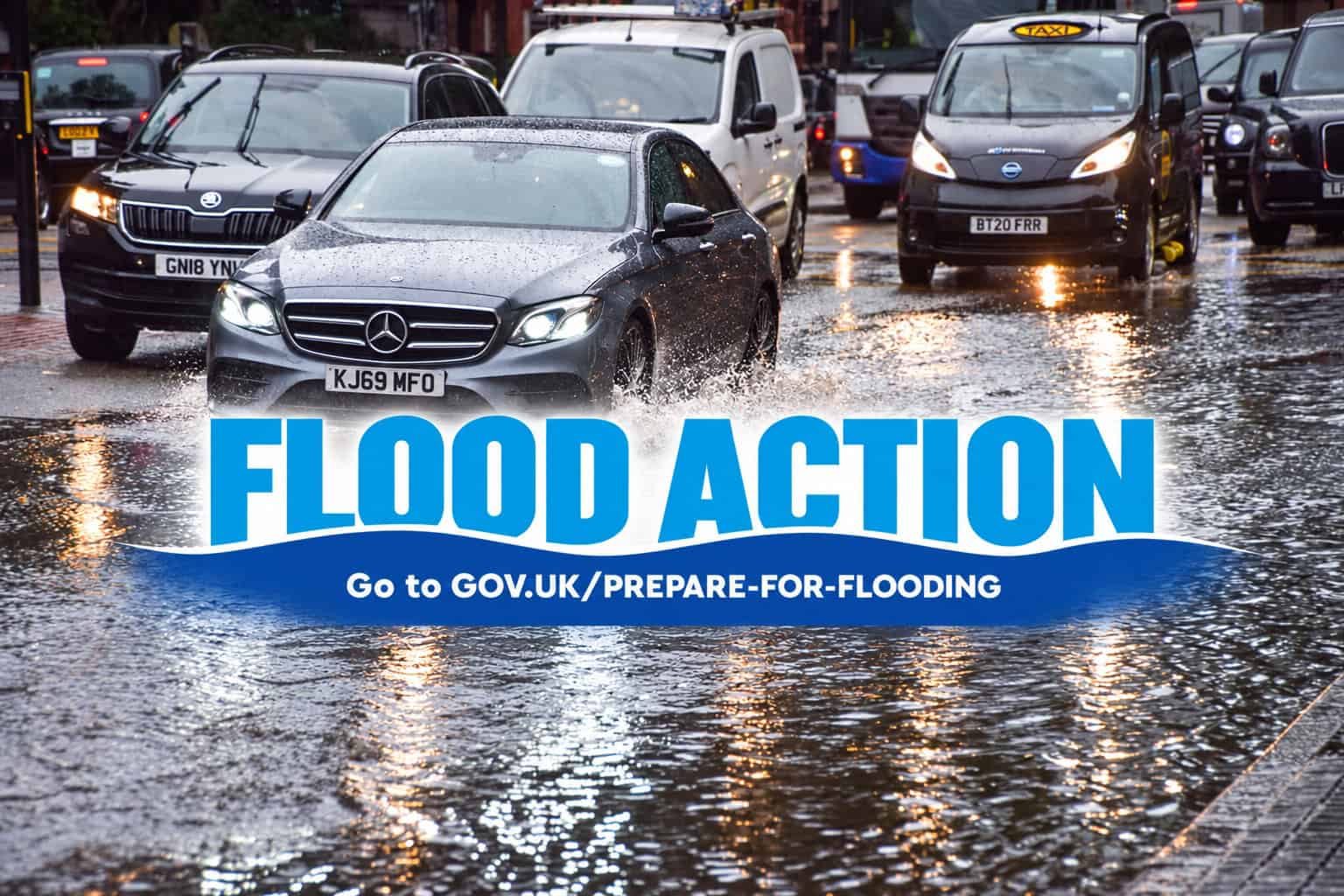
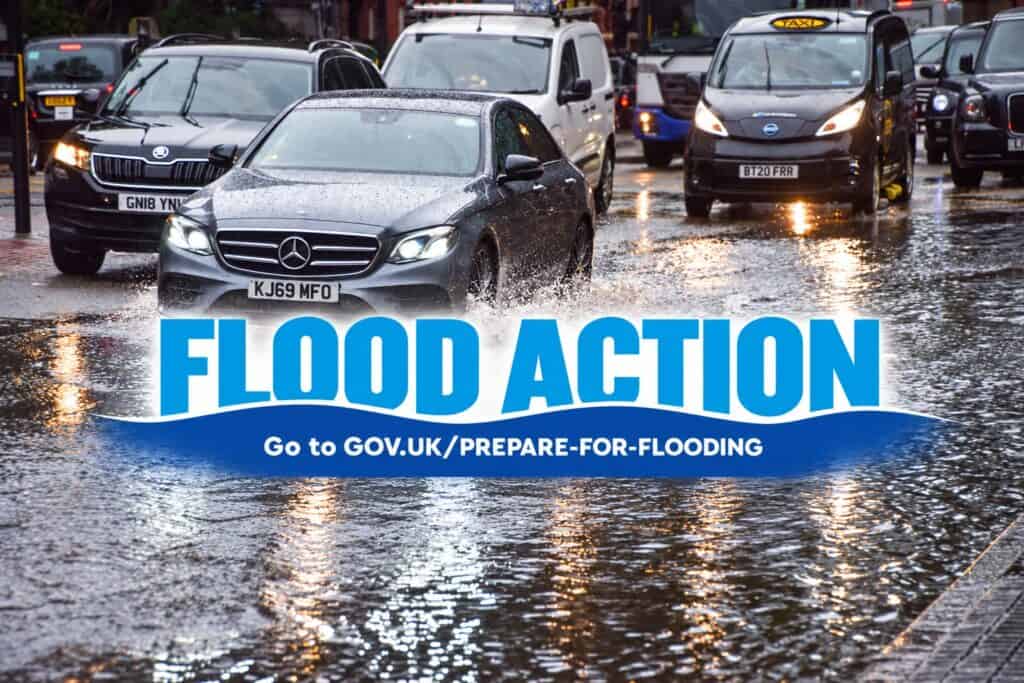
Flood Action Week 2026 runs from 12 to 18 October 2026. It is the Environment Agency's annual public awareness campaign, asking households and businesses across England to check their flood risk, sign up for warnings and make a plan before winter arrives. This year the Environment Agency opened the week by launching Flood Action Online, a single website that gathers the risk checker, the warning sign-up and the planning advice in one place. The campaign has run every year since at least 2020. It is the biggest single flood preparation campaign in the UK calendar, and the visible peak of a longer Flood Action Campaign that runs through to the end of March. This article sets out what the week covers, what is new in 2026, when it has run before, and what the evidence says about whether a week of publicity changes what people do.
Around 6.3 million homes and businesses in England sit in an area at risk of flooding from rivers, the sea or surface water. In 2025 the Environment Agency put the share of the public who had never checked their own flood risk at 45%.
What is Flood Action Week?
Flood Action Week is a seven-day national campaign run by the Environment Agency to raise awareness of flood risk from every source and prompt practical preparation before the winter storm season. It carries no legal weight and creates no duty on anyone. Its purpose is behavioural. It exists to move people from knowing that flooding happens to knowing whether it can happen to them, and doing something about it before it does.
The campaign was built around the strapline "Prepare. Act. Survive.", which mirrors the three tiers of the Environment Agency's warning system. It is a communications exercise rather than a policy announcement, though funding news and research launches are often timed to land in the same week, as they were again in 2026. Partners amplify it: local authorities, internal drainage boards, water companies, the National Flood Forum, CIWEM, Flood Re and insurers all publish alongside it, usually from the same partner pack, which is why the same five steps appear in near-identical wording across several hundred websites in the same week.
The week is pitched at householders. The questions it raises, though, land hardest on anyone with a decision in front of them: a site going into planning, a purchase approaching exchange, a business weighing what a fortnight of closure would cost. For those readers a national awareness map is the starting point rather than the answer, and a site-specific flood risk assessment is what settles the question.
What is new for Flood Action Week 2026?
Flood Action Week 2026 opened on Monday 12 October 2026 with a new website, a new property target and a winter readiness statement from the Environment Agency. Defra framed the launch around "weather whiplash": a wet winter, then a summer of drought across much of England, and a winter ahead in which conditions can switch quickly. Most of the money mentioned is not new. The website and the target are.
- Flood Action Online. The Environment Agency describes its new Flood Action Online site as a "one stop shop" for flood advice. It links the long-term flood risk checker, the free warning sign-up, the live Check for flooding service, advice on making a flood plan and the 24-hour Floodline number, with signposts to the separate services in Wales, Scotland and Northern Ireland.
- A 200,000-property target. Defra has set a target for 200,000 properties to benefit from the £4.2 billion it is spending on flood defences between April 2026 and March 2029, with an estimated £27.9 billion of avoided damage. The £4.2 billion itself had already been set out to Parliament in March.
- The last two years. Government says £2.65 billion spent over the previous two years better protected almost 62,000 properties, against a target of 52,000, and that 93% of flood defence assets were at or above their required condition at the end of March 2026.
- Winter readiness. The Environment Agency has 260 mobile pumps, 17 of them ultra-high-volume, 25km of temporary barriers and 600 people on call at any one time.
- A taskforce meeting. The Flood and Drought Resilience Taskforce meets for the first time on Wednesday 14 October 2026. It is largely the 2024 Floods Resilience Taskforce, renamed and widened to cover drought; it has no new powers and no role in planning decisions.
The Environment Agency and the Floods Minister fronted the launch.
Every year, flooding threatens communities across England, and as we deal with the changing climate, it’s never been more important for people to understand what they can do to prepare.
Caroline Douglass, Executive Director for Floods at the Environment Agency, launching Flood Action Week 2026
Climate change means that extreme weather can switch quickly, but we’re more prepared than ever before for the challenges posed by floods.
Emma Hardy MP, Floods Minister, launching Flood Action Week 2026
Local resilience partners have put the campaign's question to the public more bluntly this year: are you flood ready, or not?
When is Flood Action Week each year?
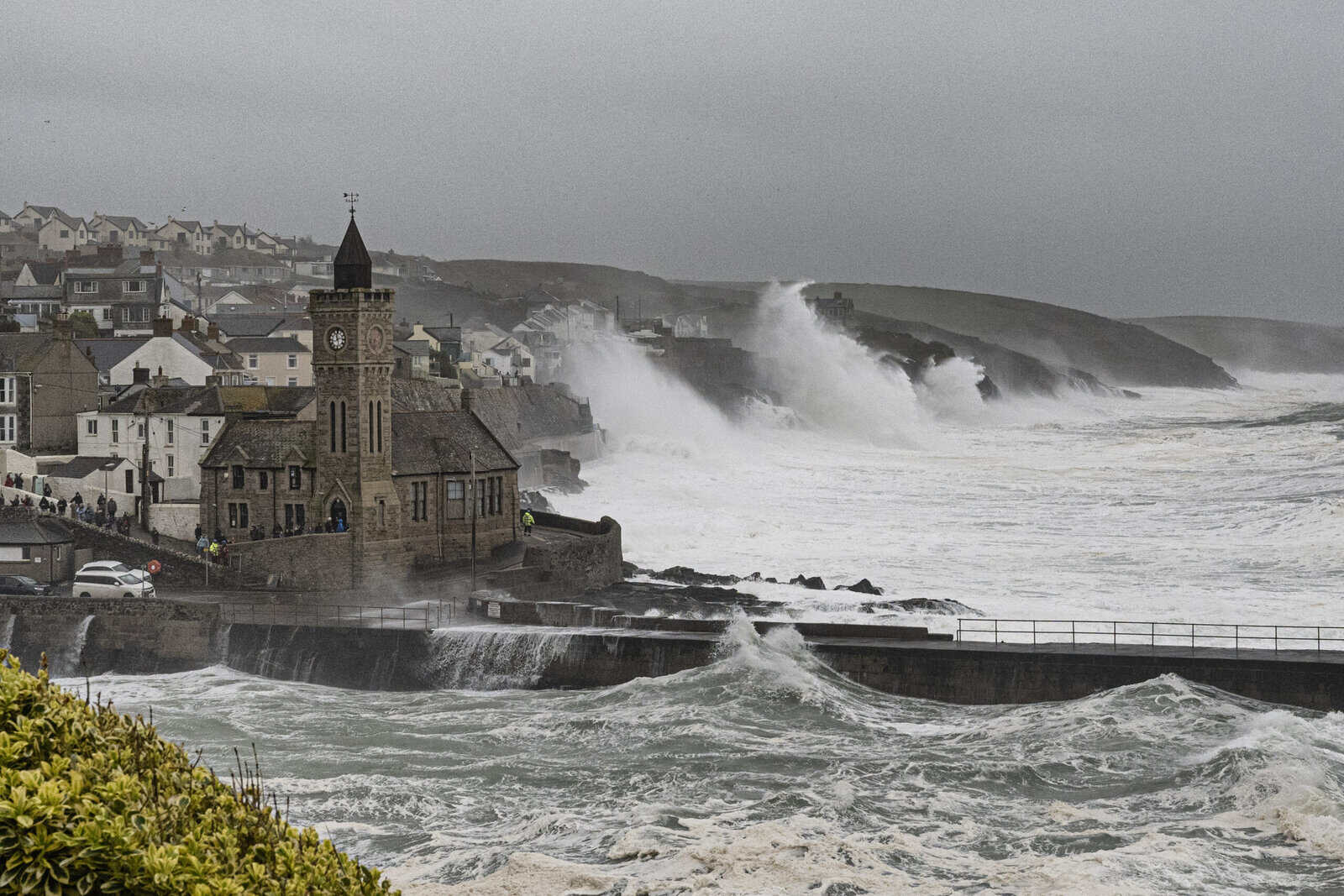
There is no fixed date. Flood Action Week has moved between mid-October and late November, and the Environment Agency confirms each year's dates in the run-up to the campaign. Since 2024 it has settled into mid-October, which puts it ahead of the winter storm season rather than inside it. In 2026 it runs from Monday 12 to Sunday 18 October 2026.
| Year | Dates | What the campaign led on |
|---|---|---|
| 2020 | 9–15 November | "Prepare. Act. Survive." and making a simple flood plan |
| 2021 | 22–28 November | Knowing what to do when a flood happens |
| 2022 | 7–13 November | Checking risk and signing up, after a year of three named storms in one week |
| 2023 | 20–26 November | Knowing your flood risk, following Storm Babet |
| 2024 | 14–20 October | Every person knowing their flood risk, a year on from Storm Babet |
| 2025 | 13–19 October | Property flood resilience, alongside the FloodReady action plan |
| 2026 | 12–18 October 2026 | Flood Action Online, and being flood ready ahead of a winter of "weather whiplash" |
On the recent pattern, the 2027 week will fall in mid-October and ask for the same five things. The table is updated as each year is confirmed.
Who runs Flood Action Week, and how does it fit the wider campaign?
The Environment Agency runs Flood Action Week for England, with Defra ministers fronting the announcements; in 2026 that was the Floods Minister, Emma Hardy. The week is the loudest part of the Environment Agency's Flood Action Campaign, which runs from autumn through to the end of March and covers the whole period in which most English flooding occurs. Reading the week as the whole flood campaign is a common mistake, and it matters. Preparation done in April is worth as much as preparation done in October, and Flood Action Online stays up all year.
The minister's launch statement closed on three of the campaign's five steps.
We are continuing to step up our defences against the weather, and encourage everyone to check their flood risk, prepare a flood plan, and follow warnings to protect their home and family.
Emma Hardy MP, Floods Minister, 12 October 2026
Scale is not the campaign's problem. CIWEM's roundup of the 2025 week recorded a Floodmobile tour through Westminster, Birmingham, Manchester and Lancaster, a new resilience testing centre at the University of Hull, a parliamentary reception, and national broadcast coverage.
Media coverage during Flood Action Week 2025 reached an estimated 660 million people, according to CIWEM's roundup of the week.
What does Flood Action Week ask you to do?
The campaign has asked for the same five things for several years running. Check your flood risk, sign up for flood warnings, make a flood plan, put together a flood kit, and fit measures that keep water out or limit the damage when it gets in. The first four cost little or nothing and take an evening between them. The fifth is where the money goes. In 2026 Flood Action Online links to the first three from one page.
- Check your flood risk. The long-term flood risk service covers rivers, the sea, surface water, reservoirs and, where data exists, groundwater. Read it as an area-level screening tool: it tells you about the ground around a building, not about the building's threshold level, and the long-term flood risk map credits defences that the planning map ignores. The separate Check for flooding service shows live warnings, river and sea levels, and the outlook for the next five days.
- Sign up for flood warnings. The Environment Agency replaced its old registration system with the Get flood warnings service in October 2025 and migrated existing accounts across. Registration is free. Warnings arrive by text, phone call or email.
- Make a flood plan. Who does what, where the stopcock is, what gets moved first, and where you go. The value is in writing it down and telling the people it involves, not in the document.
- Put together a flood kit. Documents, torch and power bank, warm clothes, medication, water and food, kept somewhere you can reach in the dark.
- Consider resistance and resilience measures. Flood doors, non-return valves and air-brick covers keep water out to a point. Raised electrics, tiled floors and resilient plaster shorten the recovery when it gets in anyway.
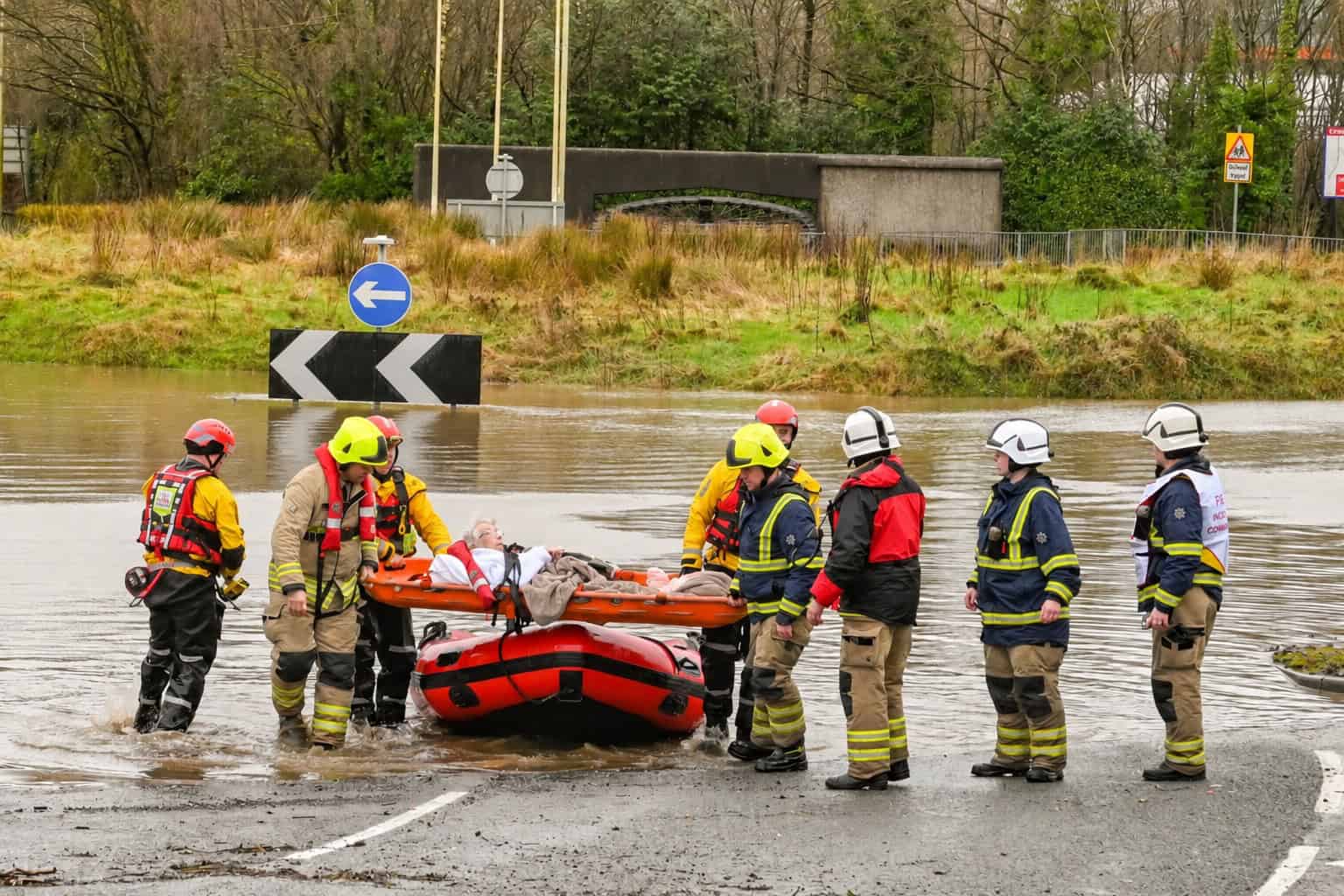
The practical detail of all five is covered elsewhere, so this article does not repeat it. A step-by-step guide on how to protect your home from flooding covers the plan, the kit and the measures in full. The products themselves, from flood doors to self-closing airbricks, are set out in a guide to flood defences for homes, and the wider property flood resilience guide covers the money, including Flood Re's Build Back Better scheme.
One caveat deserves more prominence than the campaign gives it. The Environment Agency's flood warning system does not cover surface water flooding, which is now the source threatening the most English properties. The sign-up page says so. A household that signs up and stops there has covered the river and left the more likely risk unmanaged. The explainer on surface water flooding and planning sets that gap out. The free flood risk map postcode checker and live river levels map are a starting point for both sources.
On figures the Environment Agency cited during its 2023 campaign, preparing ahead of a flood cuts the damage to a home by roughly 40%, and resilience measures can cut repair costs after a major flood by as much as 73%.
How prepared is England, really?
Barely more prepared than when Flood Action Week started, on the Environment Agency's own numbers. In 2022 it reported that nearly two in three at-risk households did not believe flooding would affect them. In 2025 it put the proportion of the public who had never checked their flood risk at 45%, and this year's campaign material still puts the figure at almost half. Four years of national publicity separate those figures. None of them moved far.
The wider survey evidence points the same way. The Office for National Statistics tracks the same ground through a flooding module on its Opinions and Lifestyle Survey. Its January to March 2026 wave, which surveyed 9,650 adults, found that only 18% of people living at high or medium risk on the Environment Agency's national data thought of themselves as at risk. For surface water the figure was 13%, against 46% for addresses at high risk from rivers or the sea. So the people least aware of their risk are the ones exposed to the source the warning service does not cover.
The Environment Agency's own campaign material makes the case for preparing on the damage flooding does after the water has gone. Launching the 2025 week, Mark Garratt described families he had met whose children were still anxious months after their home flooded.
Whenever it rains, they're afraid, not wanting to go to school.
Mark Garratt, Environment Agency, on families he met after their homes flooded
For a campaign built on awareness, the evidence says awareness is not what holds people back. The House of Commons Environmental Audit Committee reported in October 2025 that fewer than half the people who receive a flood warning know what to do with it, and a summary of the committee's flood resilience report sets out its wider findings. Checking a postcode costs nothing. A flood door costs from around £1,800 fitted, and a full resistance package typically £6,000 to £12,000, before the disruption of the work. A week of publicity moves the first kind of decision far more easily than the second. That goes some way to explaining why Flood Action Week 2025 put property flood resilience at its centre, and why the 2026 launch led on a website that puts the checker, the warnings and the resilience advice side by side.
Why the campaign's headline number moved from 5.5 million to 6.3 million
The number of properties Flood Action Week describes as at risk rose from around 5.5 million in the 2023 and 2024 campaigns to around 6.3 million in 2025, and the 2026 campaign uses the same 6.3 million. Flooding did not suddenly increase. The Environment Agency replaced the national assessment sitting behind the figure, and the new one sees far more of the surface water risk than the old one did.
- What changed. The 2024 National Assessment of Flood and Coastal Erosion Risk, built on the NaFRA2 model, superseded an assessment whose surface water component dated from a far coarser generation of mapping.
- Surface water dominates. Of the roughly 6.3 million properties at risk, around 4.6 million are at risk from surface water, more than rivers and the sea combined.
- The trajectory is a separate point. The Environment Agency expects the total to approach 8 million, or roughly one property in four, by the middle of the century.
- Why it matters to you. A property's mapped flood risk can change without anything changing on the ground. A better model is the commonest reason a building that has never flooded appears on a new map.
So a screening result from one year is not interchangeable with one from another. Check the date on any map you are relying on. The guide to understanding and managing flood risk with NaFRA2 explains what the new model does differently, and the piece on NaFRA2 and home sales covers what it has meant for the housing market.
What Flood Action Week means if you are building, buying or running a business
The campaign's advice is written for householders, but three groups carry more exposure than the checklist covers.
If you are building, flood risk is tested formally rather than voluntarily. Chapter 18 of the August 2026 NPPF sets the policy through Policies F1 to F9. A flood risk assessment for planning is required for all development in Flood Zones 2, 3a and 3b. It is also required in Flood Zone 1 where the site is a hectare or more, sits in a critical drainage area, or is shown at risk from any source. Surface water usually brings a surface water drainage strategy with it, and where safe access and escape are in question a flood warning and evacuation plan is normally conditioned.
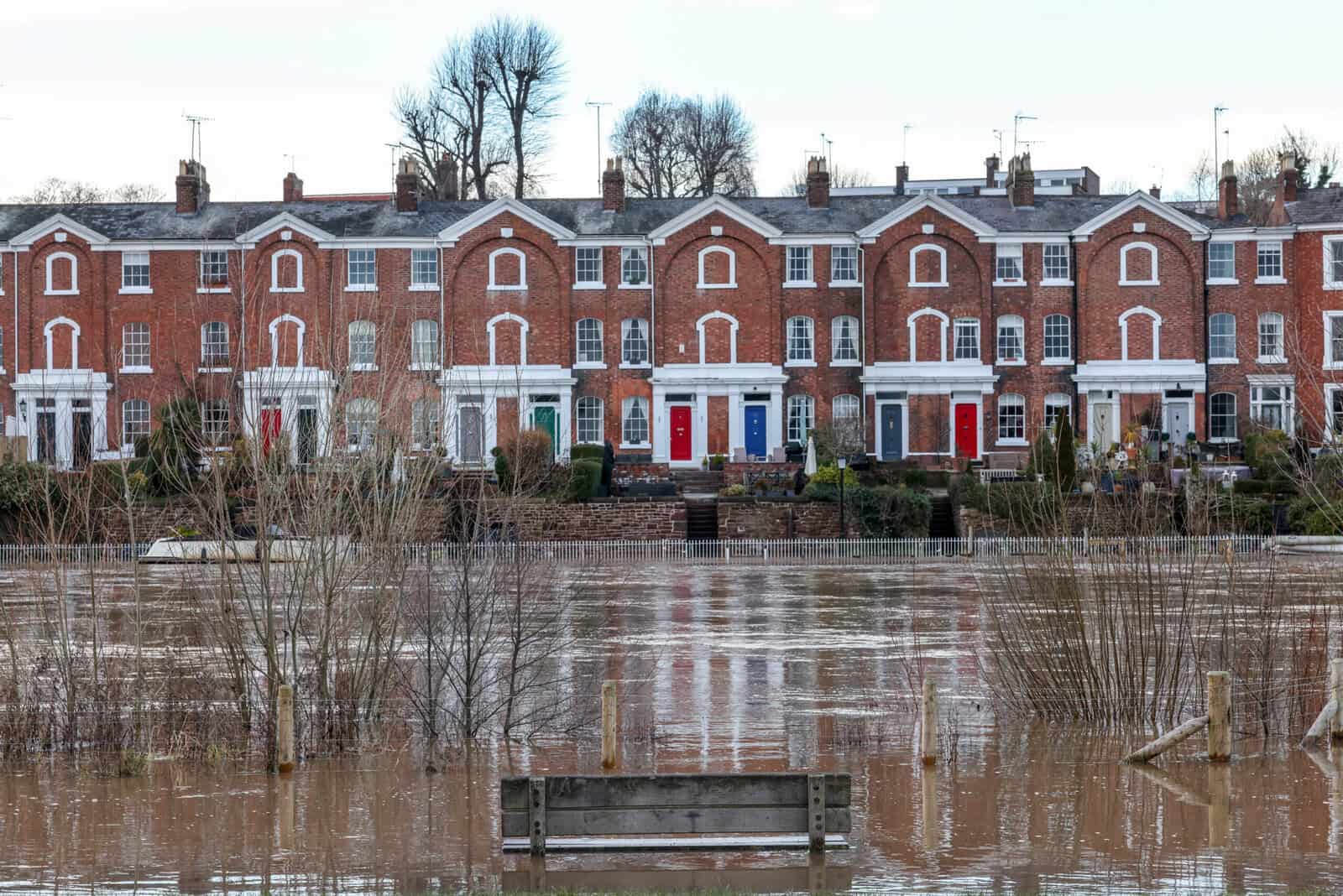
If you are buying, the sixth edition of the TA6 property information form, mandatory for Conveyancing Quality Scheme firms since 30 March 2026, asks sellers about flooding from any source, and lenders have grown more cautious. A conveyancing flood search screens at area level and is not a substitute for a site-specific assessment. Where a search comes back flagged, an independent flood risk survey before exchange tells you whether the building itself is exposed. The market prices this, as an analysis of whether flood risk affects house prices sets out.
If you run a business, the interruption usually costs more than the water. Stock, records, plant and staff access all fail before the building does. The warning service covering a nearby river will not tell you about the car park. A flood risk assessment for business continuity works from the threshold levels and access routes the business depends on.
The Environment Agency puts the average cost of flooding to a home at around £30,000, with roughly five months before residents move back in.
Not sure what your site or property is actually exposed to?
A national map answers at area level. A site-specific assessment looks at the building, the levels and the access route, and says what they mean for planning, purchase or trading. Free scoping and a fixed quote, usually within the hour.
Start a quoteFlood Action Week is worth supporting, and its five steps are the right five. Flood Action Online puts most of them a single click away. What neither can do is tell you what the water would do to your particular building, on your particular ground, in the event planning policy makes you design for. That takes a flood risk assessment of the site rather than a look at a national map, and it is everyday work for chartered flood risk consultants.
Frequently asked questions
Is Flood Action Week the same as national flood week?
Yes, in the sense that people often search for it that way. There is no separate campaign called national flood week. The Environment Agency's annual campaign in England is Flood Action Week, and it sits inside the longer Flood Action Campaign that runs to the end of March.
Does Flood Action Week cover Wales, Scotland and Northern Ireland?
The campaign is an Environment Agency initiative, so its remit is England. Flood awareness in Wales sits with Natural Resources Wales, in Scotland with the Scottish Environment Protection Agency, and in Northern Ireland with the Department for Infrastructure. Welsh sites also follow a different planning route: a Flood Consequence Assessment under TAN15 rather than an English flood risk assessment.
Can a business, school or landlord take part?
Yes, and the Environment Agency publishes a partner pack each year with templates, infographics and social copy anyone can reuse. Organisations with tenants, pupils or customers on site tend to get considerably more out of writing a realistic evacuation route into their own procedures, and testing it once, than they do from resharing the campaign material on their social channels.
Does being in a flood warning area mean my property will flood?
No. A flood warning area is an operational boundary drawn around a stretch of river or coast where the Environment Agency can forecast and warn. It is not a flood zone, it is not a statement about your threshold level, and a property inside one may sit well above the level the warning refers to, which is why the two are so routinely confused in conveyancing and in planning correspondence alike.
If my home has never flooded, is there any point preparing?
Historic flooding is a weak predictor on its own. Most English properties at risk have not flooded in living memory, drainage catchments change as land upstream of them is developed, and the mapped picture itself has shifted as the modelling behind it has improved. The absence of a flood in the record is not evidence that the mechanism is absent.
What do the three flood warning levels mean?
The Environment Agency uses three levels. A flood alert means flooding is possible, so it is time to get ready. A flood warning means flooding is expected and action is needed now. A severe flood warning means flooding could put lives at risk and cause significant disruption to communities. Each one refers to a named stretch of river, coast or groundwater, not to a single building. Weather warnings from the Met Office are a different system, and the explainer on who actually issues flood warnings sets out which body says what.
About the author. Jackie is a co-founder and Director of Unda with 30+ years in flood risk, and sits on CIWEM's South Eastern Branch committee. Unda has been trading since 2014, is a CIWEM Business Partner with CIWEM member and chartered (C.WEM MCIWEM) consultants, and has delivered 5,000+ flood risk assessments and drainage strategies across England and Wales.
Jackie Stone · MSci, BSc (Hons), DIC, CIWEM Environmental Partner
Latest news

One of our experienced Flood Risk Consultants will get back to you within 60 minutes
