What Is Sewer Flooding? Causes, Risks and Planning Implications
Estimated reading time 5 minutes
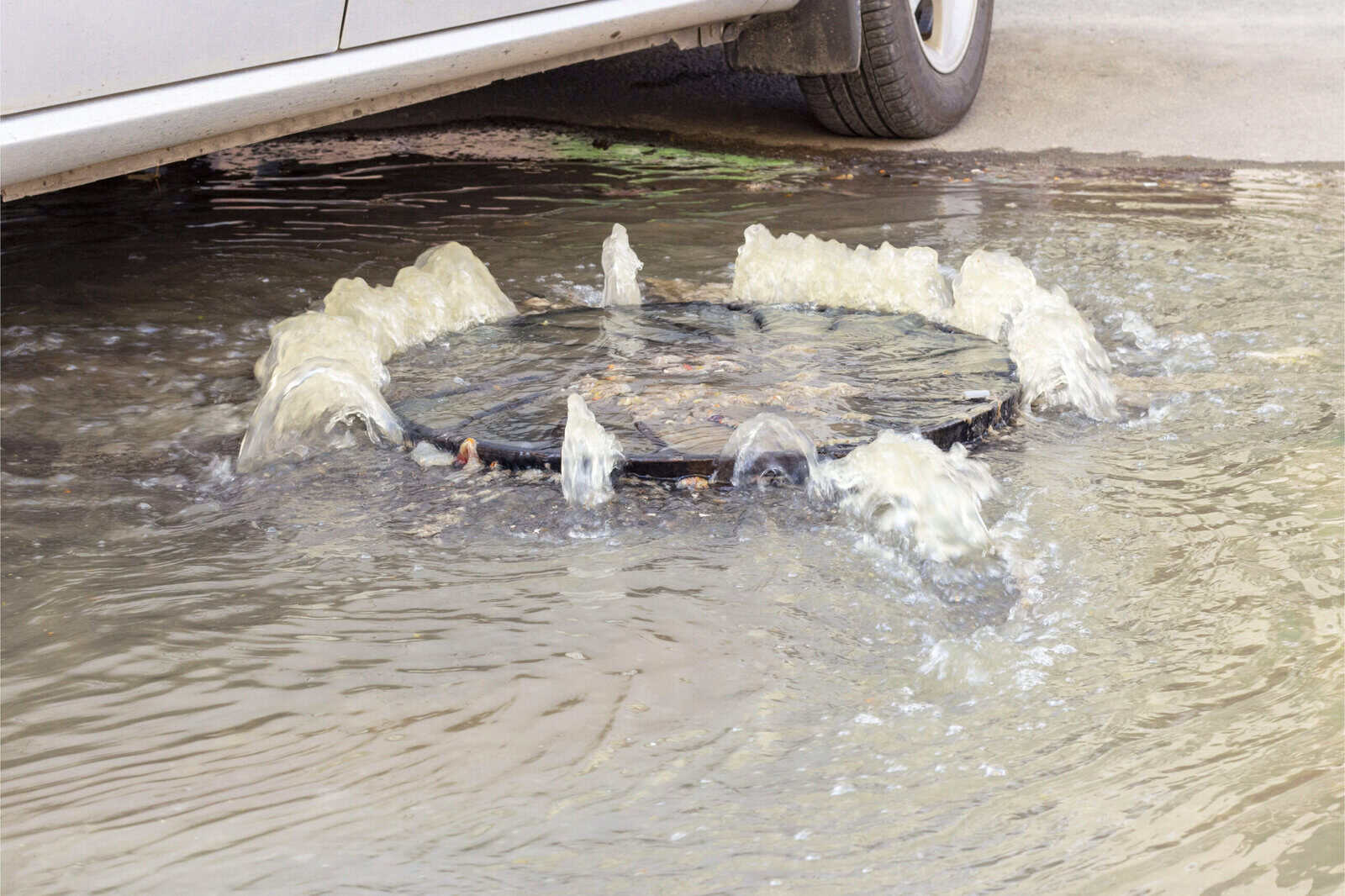
Flooding can also occur when sewer systems are unable to carry or contain the volume of water entering them. This type of flooding is known as sewer flooding.
Sewer flooding occurs when wastewater or stormwater escapes from the sewer network and flows onto streets, into properties or across land. This can happen when sewer pipes become overwhelmed, blocked or damaged, preventing water from draining away as intended.
Sewer flooding is most commonly associated with urban areas where drainage networks collect both rainfall and wastewater. Understanding sewer flooding is important for property owners, developers and planning professionals, particularly in locations where drainage infrastructure may be under pressure.
How Sewer Flooding Happens
Sewer flooding occurs when the capacity of the sewer system is exceeded or when the system fails to operate correctly.
Many urban drainage systems were designed to carry both rainwater and foul wastewater through the same network. During periods of heavy rainfall, large volumes of water can enter the system at the same time.
When this happens, sewer systems may:
- become overloaded by rainfall runoff
- become surcharged, meaning the sewer system fills completely and water is forced back up through pipes, drains or manholes
- discharge water through manholes, gullies or drains
Blockages can also contribute to sewer flooding. Debris, sediment or inappropriate items entering the sewer network can restrict flows and reduce the available capacity of pipes.
Infrastructure failures such as pipe collapses or pump failures can also cause localised sewer flooding.
Because sewer systems are interconnected networks, flooding in one location can sometimes originate from problems elsewhere in the system.
Where Sewer Flooding Occurs in the UK
Sewer flooding is typically associated with urban environments, where large populations and extensive drainage networks place pressure on sewer infrastructure.
Common locations affected include:
Older urban areas
Many towns and cities have historic drainage networks that were not designed to cope with modern rainfall intensities or urban expansion.
Areas served by combined sewer systems
Combined sewers carry both foul wastewater and rainwater in the same pipes. During heavy rainfall, these systems may become overloaded.
Locations with limited drainage capacity
Where sewer pipes are undersized or poorly maintained, the network may struggle to cope with large volumes of runoff.
Low-lying parts of drainage catchments
Water naturally flows towards the lowest points within a sewer network, meaning some areas may experience flooding if the system becomes overloaded.
Because sewer flooding is closely linked to the performance of drainage infrastructure, it often occurs locally and may affect individual streets or properties.
How Sewer Flood Risk Is Mapped
Unlike river or coastal flooding, sewer flooding is not typically mapped through national flood risk datasets.
Information about sewer flood risk is usually held by water and sewerage companies, which maintain records of historic flooding incidents within their networks.
These records may be referenced during property searches, infrastructure assessments or planning applications.
Local authorities may also refer to sewer flooding within Strategic Flood Risk Assessments (SFRAs), particularly where historic incidents have been recorded.
Because sewer flooding depends on the performance and condition of local drainage infrastructure, national flood mapping tools such as the Flood Map for Planning do not typically represent this type of flood risk.
Assessing sewer flood risk therefore often requires consultation with the relevant water company and review of local drainage information.
Sewer Flooding and Planning Applications
Sewer flooding can be an important consideration when planning new development, particularly in urban areas.
Planning policy requires development proposals to consider how drainage systems will manage rainfall runoff and wastewater. In many cases, development proposals must demonstrate that they will not increase pressure on existing sewer infrastructure.
Where sewer capacity is limited, mitigation measures may include:
- providing Sustainable drainage systems (SuDS) to reduce runoff entering sewers
- controlling discharge rates from new development
- separating foul and surface water drainage systems
- upgrading local drainage infrastructure where necessary
Water companies are typically consulted during the planning process where development may affect the sewer network.
Drainage strategies prepared for planning applications often assess how surface water and wastewater will be managed to prevent sewer flooding.
One of our experienced Flood Risk Consultants will get back to you within 60 minutes
Key Things Property Owners Should Know About Sewer Flooding
Several important points are worth understanding about sewer flooding.
Sewer flooding is often linked to heavy rainfall
Intense storms can cause large volumes of water to enter sewer systems, increasing the likelihood of sewer surcharge and overflow.
Flooding can occur even outside mapped flood risk areas
Because sewer flooding is related to drainage infrastructure rather than rivers or coastlines, it can occur in locations that appear to have low flood risk on national maps.
Local infrastructure plays a major role
The age, capacity and condition of local sewer systems strongly influence the likelihood of sewer flooding.
Understanding local drainage conditions is therefore important when assessing flood risk for property or development.
Need Advice on Sewer Flood Risk?
Sewer flooding can be difficult to assess because it depends on the performance of local drainage infrastructure, sewer capacity and stormwater management. National flood maps do not typically show sewer flooding, meaning local information and drainage analysis are often required.
Where sewer flooding may affect a planning application, property purchase or development proposal, a detailed drainage strategy or Flood Risk Assessment may be required to understand potential impacts and identify appropriate mitigation measures.
Unda’s flood risk consultants specialise in Flood Risk Assessments, drainage strategies and planning support across the UK. If you need advice on sewer flooding or flood risk more generally, contact Unda to discuss your project with an experienced consultant.
Latest news



One of our experienced Flood Risk Consultants will get back to you within 60 minutes