Storm Chandra flooding hits UK weeks after Storm Goretti
Estimated reading time 5 minutes
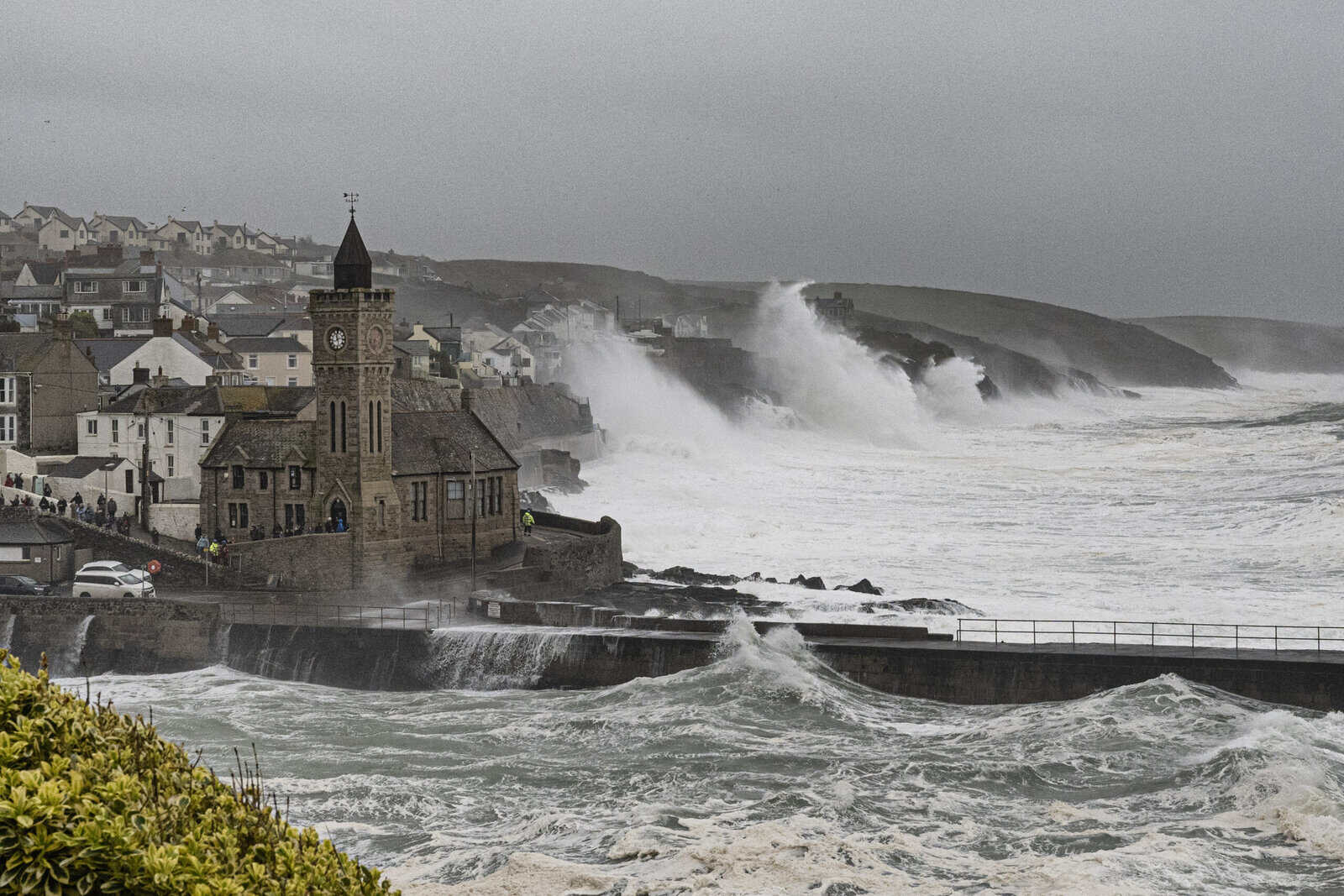
Storm Chandra is causing widespread flooding across the UK and Ireland, marking the second major flooding event of 2026, before the end of January. Flooding and disruption have continued into Wednesday, with impacts persisting across several regions. The storm follows closely after Storm Goretti earlier this month and has triggered extensive river, surface water and infrastructure flooding across large parts of the country.
Widespread UK flooding from Storm Chandra
Flooding linked to Storm Chandra has affected England, Wales, Scotland and Northern Ireland, with the most severe impacts concentrated in the South West of England.
In Devon, the River Otter at Ottery St Mary exceeded its highest recorded level. The Environment Agency confirmed that river levels at the Fenny Bridges gauge peaked at approximately 2.83m, surpassing the previous record of 2.81m recorded in December 2000. A Severe Flood Warning (danger to life) was issued for parts of Ottery St Mary, including Finnimore Industrial Estate and Thorne Farm Way, as floodwater inundated roads, businesses and residential areas.
Rainfall totals driving the flooding were high. East Devon recorded approximately 67mm of rain in 12 hours, with up to 88mm recorded on Dartmoor. Across south and mid Devon, rainfall totals were widely in the 40 – 50mm range, falling on already saturated catchments following a wet end to 2025 and earlier winter storms.
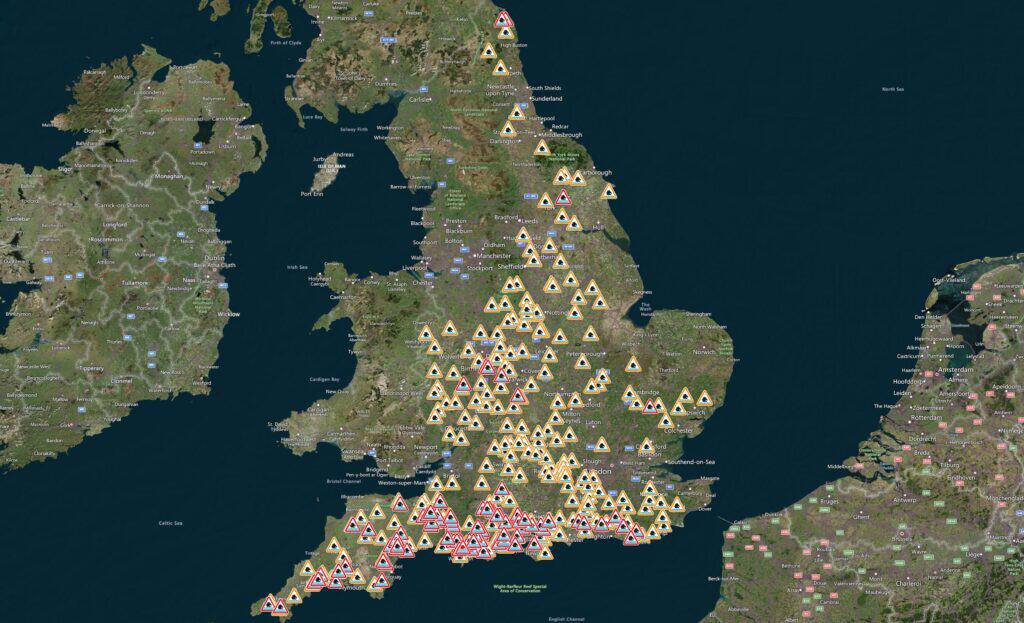
Across Devon and Cornwall, official Environment Agency reporting confirmed 33 flood alerts and 39 flood warnings were in force simultaneously during the peak of Storm Chandra. As of Wednesday, more than 100 flood warnings and over 200 flood alerts remain active across England as floodwater continues to move through river systems. Flooding affected main rivers, ordinary watercourses and surface water drainage systems. Strategic routes including the A30, A303, A377 and A35 were closed, causing major disruption to regional transport networks.
Beyond the South West, flooding has affected the West Midlands and Welsh borders, particularly in Herefordshire and Worcestershire. A major incident has been declared in Somerset, where local authorities confirmed that around 50 properties have been affected by flooding, including across the Somerset Levels and Moors. Rising water levels on smaller watercourses cut off villages and disrupted businesses in locations including Ewyas Harold and Tenbury Wells.
In Wales, Natural Resources Wales issued multiple river flood warnings and flood alerts. Flooding impacted low-lying land, riverside roads and properties across several catchments, driven by prolonged rainfall rather than short-duration intense storms.
Northern Ireland experienced extensive disruption as Storm Chandra brought heavy rain and strong winds. More than 300 schools closed, power outages affected around 10,000 properties, and road, rail, ferry and air travel were all disrupted. Similar flooding and power outages were reported across parts of the Republic of Ireland, where rivers including the Slaney in County Wexford overtopped their banks.
Flood disruption beyond inundation
Flooding from Storm Chandra has caused significant disruption beyond areas of direct inundation. Floodwater and debris closed major roads, waterlogged rail infrastructure led to service suspensions, and ferry crossings and flights were cancelled, particularly across the Irish Sea.
Emergency services across affected regions confirmed that responses were being prioritised based on risk to life, reflecting the scale and geographic spread of flooding incidents. National Rail has warned that disruption may continue until at least Friday, with multiple routes across Devon and Cornwall remaining closed due to flooding and infrastructure damage. School closures, business interruption and loss of access to rural communities have been widespread..
Storm Chandra compared with Storm Goretti
Storm Chandra follows Storm Goretti, which caused the first widespread flooding event of 2026 earlier in January. While both storms produced flooding across large areas, the flooding mechanisms differ significantly.
Storm Goretti was a multi-hazard winter storm, with flooding impacts that were typically localised and coastal. Met Office analysis recorded rainfall totals of 61.8mm at Colliford Dam (Cornwall), 57mm at Ddolwen Bridge (Dyfed) and54 mm at Whitebarrow (Devon). In parts of eastern and south-eastern England, 20 – 40mm of rainfall falling on frozen ground contributed to surface water flooding.
Flood warnings during Storm Goretti were more fragmented and included a mix of coastal flood warnings and smaller inland river catchments. Coastal flooding, wave overtopping and shingle displacement affected exposed frontages in Kent and Sussex, including closures on sections of the A259.
Storm Chandra, by contrast, is a catchment-driven fluvial and surface water flooding event. Prolonged and widespread rainfall has fallen on already saturated catchments, producing rapid river response, elevated baseflows and extensive floodplain inundation. The record flooding on the River Otter highlights the importance of antecedent conditions in driving flood risk.
Early 2026 UK flooding context
With two major flooding events occurring before the end of January, Storm Chandra demonstrates how successive winter storms can lead to widespread flooding when catchments remain saturated. Authorities have warned that river levels in some locations may exceed those recorded during November 2024 flooding, increasing the risk of prolonged impacts. Limited recovery time between storms has increased flood risk across much of the UK, with impacts extending across transport networks, utilities, education and local economies.
Latest news





One of our experienced Flood Risk Consultants will get back to you within 60 minutes