£1.4bn Flood Defence Funding 2026/27 Explained
Estimated reading time 5 minutes
The UK government has announced £1.4 billion of flood defence funding for 2026 / 27, supporting more than 600 schemes across England, as set out in the official £1.4bn flood investment announcement.
The funding is intended to reduce flood risk to homes, businesses and infrastructure. However, the detail behind the headline figure is more complex - and critical for understanding how flood risk is actually managed in practice.
What Has Actually Been Announced?
The £1.4bn flood defence funding package combines several types of investment.
- Around £830 million is allocated to new and existing flood and coastal defence schemes
- More than £260 million is for repairing and maintaining Environment Agency flood defence assets
- The remainder supports wider programme delivery and resilience measures
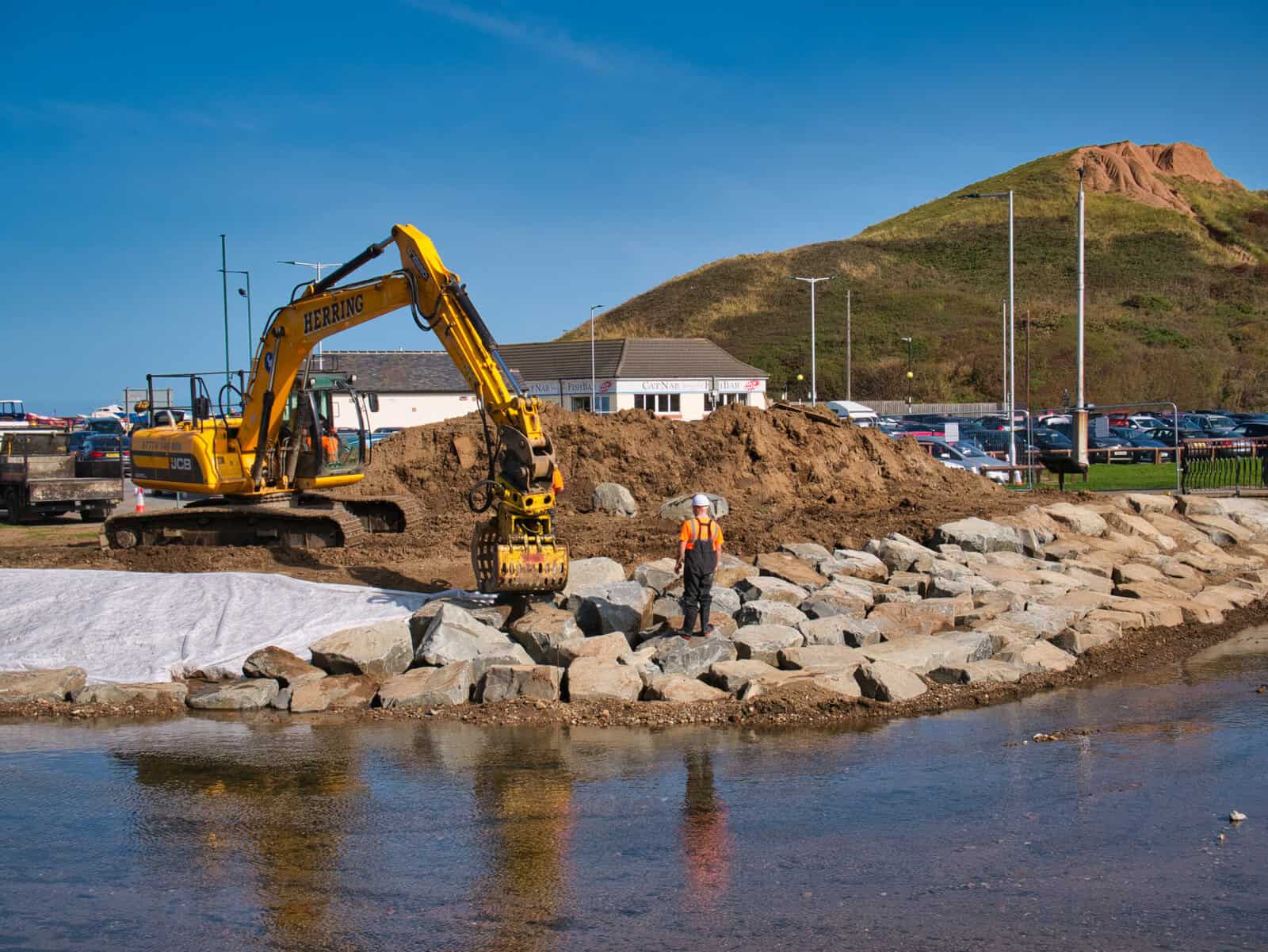
A significant proportion of the funding is therefore focused on maintaining or restoring existing flood defences, rather than delivering entirely new infrastructure. This reflects the impact of recent events, including recent back-to-back UK storm flooding.
The scale and condition of these assets can be explored through the Environment Agency’s flood defence asset management data platform, which illustrates the extent of infrastructure already in place across England.
The programme is also being positioned by government in economic terms:
“This investment will help protect thousands of homes and businesses and boost economic growth.”
Alongside this, the economic case underpinning flood defence investment is framed as follows:
“Every £1 invested in flood defences prevents around £8 of economic damage.”
How This Fits Into the Wider Flood Investment Programme
The 2026 / 27 funding forms part of a longer-term national flood defence investment strategy.
Government has committed to at least £10.5 billion between 2024 and 2036, with £4.2 billion allocated across the three years from 2026 / 27 to 2028 / 29.
This builds on the wider £10.5bn flood defence funding overhaul confirmed by Defra, alongside the Environment Agency’s stated commitment to long-term flood resilience.
“We are committed to better protecting communities, strengthening resilience and preparing for a changing climate.”
A Changing Approach to Flood Defence
Flood defence funding is no longer focused solely on large engineered schemes.
The updated funding framework - reflected in the new FCERM funding guidance and reform approach - supports a broader mix of interventions, including:
- engineered flood defences such as walls and embankments
- coastal protection works
- sustainable drainage systems (SuDS)
- natural flood management measures (e.g. wetlands, tree planting)
- property-level flood resilience measures
There is also a clear policy shift towards maintaining and upgrading existing flood defences, rather than focusing solely on new schemes.
Where the Funding Is Being Spent
The programme includes a wide range of flood defence schemes across England, from major infrastructure projects to smaller local interventions.
Named schemes include:
- Bridgwater Tidal Barrier
- Derby Flood Risk Management Scheme
- Kendal Flood Risk Management Scheme
- River Thames Scheme
- coastal protection and drainage improvement projects
However, delivery is phased. Not all locations will see immediate reductions in flood risk, and many schemes will take years to complete.
Does This Reduce Flood Risk for Development?
Despite the scale of the funding, it does not automatically reduce flood risk in planning terms.
Flood risk for development continues to be assessed using:
- Environment Agency flood zone mapping
- modelled flood extents
- climate change allowances
- site-specific evidence
Even where new flood defences are delivered, land can remain within designated flood zones. This is a common issue, particularly where sites remain in flood zones despite new flood defences being built.
The Reality of Flood Defence Performance
Another key consideration is how flood defences perform in practice.
There is increasing scrutiny of existing infrastructure, particularly where flood defences appear compliant on paper but are vulnerable in practice.
Combined with more frequent and intense weather events, this reinforces the importance of assessing:
- residual flood risk
- defence overtopping or failure
- long-term performance under climate change
Ongoing Pressure on Development in Flood Risk Areas
The funding announcement sits alongside continued pressure on planning decisions in areas at risk of flooding.
Recent evidence shows that a significant proportion of new homes are still being delivered in flood risk areas, highlighting the ongoing tension between development demand and flood risk policy.
National funding does not remove these constraints. Site-specific assessment remains central to decision-making.
What This Means in Practice
The £1.4bn flood defence funding programme is significant at a national level, but its impact varies locally.
For individual development sites:
- flood risk constraints often remain unchanged
- reliance on future flood defence schemes is rarely sufficient
- robust technical evidence is still required
Flood Risk Assessments and drainage strategies therefore remain critical components of the planning process.
Getting the Right Advice Early
Navigating flood risk in planning requires more than an understanding of national funding announcements. It requires a clear, site-specific strategy aligned with policy, evidence and deliverability.
Unda supports developers, landowners and consultants with:
- detailed Flood Risk Assessments for planning applications
- robust Sequential and Exception Test strategies
- comprehensive surface water drainage strategies
- clear advice on flood risk, drainage and development viability
If you are progressing a site affected by flood risk, early input can materially reduce uncertainty, avoid redesign, and improve planning outcomes. You can get in touch with our team directly via our contact page to discuss your project.
Latest news




One of our experienced Flood Risk Consultants will get back to you within 60 minutes