Thames Water Crisis: Sewage, Fines and Flood Risks
Estimated reading time 11 minutes
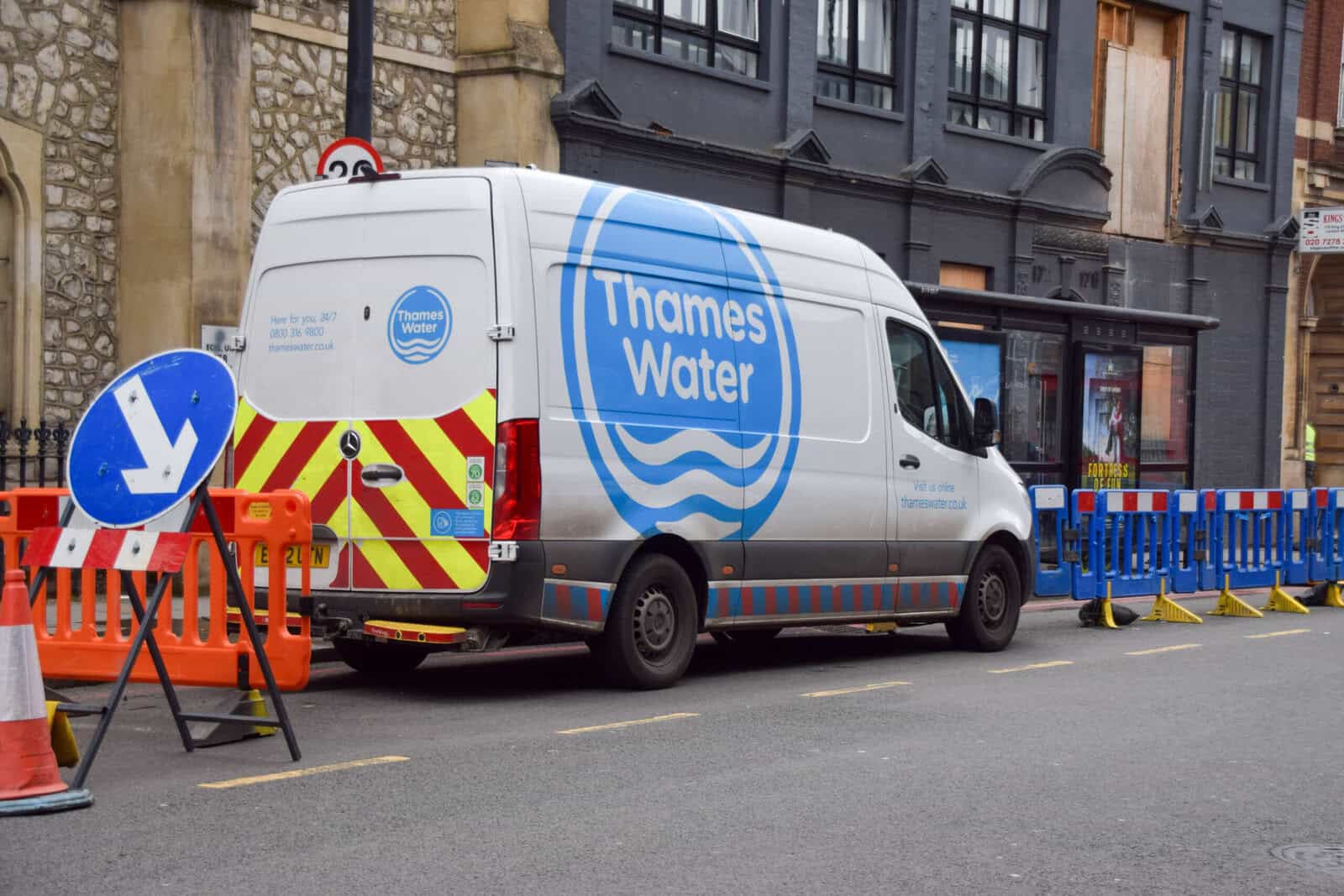
Thames Water, the UK's largest water utility, is embroiled in a deepening crisis, raising serious concerns about the sustainability of the privatised water industry. The company is battling on multiple fronts — staggering debt, regulatory fines, public outcry, and the breakdown of basic services — with real and painful consequences for communities across the South of England.
A Mountain of Debt and Investor Uncertainty
At the heart of the crisis is Thames Water’s precarious financial position. The company is saddled with over £20 billion in debt, a legacy of years of leveraged buyouts and underinvestment. Its parent firm, Kemble Water, defaulted on a £400 million debt repayment in April 2024, fuelling fears that the group may soon run out of cash.
While the company secured a £3 billion emergency loan earlier this year, the terms — including a punishing 9.75% interest rate — have done little to restore confidence. Thames Water has asked Ofwat for permission to raise customer bills by 53% over the next five years, arguing that only through increased revenue can it afford the infrastructure improvements the network so desperately needs. But Ofwat has capped the increase at 35%, leading Thames Water to launch an appeal.
Investor Flight and Governance Breakdown
The situation deteriorated further when a consortium of major shareholders — including pension and infrastructure investment funds — walked away from a proposed £500 million rescue deal in spring 2024. After months of unsuccessful negotiations with Ofwat, investors concluded that the regulatory constraints and lack of flexibility on pricing and capital investment made a recovery untenable.
One shareholder described the business as a “black hole,” voicing scepticism that any fresh capital injection would lead to sustainable outcomes. Thames Water’s leadership, meanwhile, struggled to present a credible turnaround strategy capable of reassuring either the regulator or its financiers.
The collapse of this funding lifeline has forced Thames Water to rely entirely on the £3 billion emergency loan facility — a last-resort measure meant to buy time, not secure the company’s future. As refinancing deadlines loom, the threat of insolvency or a move into special administration — effectively renationalisation — becomes more immediate.
Environmental Mismanagement and Record Fines
In tandem with its financial collapse, Thames Water has come under fire for widespread environmental failures. In May 2025, Ofwat imposed a record £122.7 million fine: £104.5 million for repeated sewage pollution incidents, and £18.2 million for the issuance of dividends in breach of regulatory performance criteria.
Of particular concern is the routine misuse of storm overflow systems. These are supposed to be emergency failsafes, only used during exceptional weather conditions. Yet Ofwat found that three-quarters of them have been discharging during ordinary rainfall — a clear indication of systemic underperformance and neglect.
Ofwat Chief Executive David Black commented on the severity of the situation:
"This is a clear-cut case where Thames Water has let down its customers and failed to protect the environment."
Thames Water CEO Chris Weston responded by highlighting the implications of the fine on the company's fragile financial position:
"Thames Water's survival as a private company depends on the industry regulator Ofwat being lenient over fines and penalties."
These statements underscore the tension between regulatory enforcement and the company’s financial viability, and reflect broader concerns over how best to hold essential service providers accountable while ensuring they can deliver improvements.
Flooded Homes and Development Deadlocks: The Human Toll
Alfold, Surrey: A Village Overwhelmed by Sewage Crises
Alfold, a picturesque village in Surrey, has become emblematic of the severe consequences of inadequate sewage infrastructure. Residents have endured multiple incidents where raw sewage has inundated their properties, with the most recent occurrences in January 2025 following heavy rainfall from Storm Bert. These events have not only caused property damage but have also raised significant health concerns among the community.
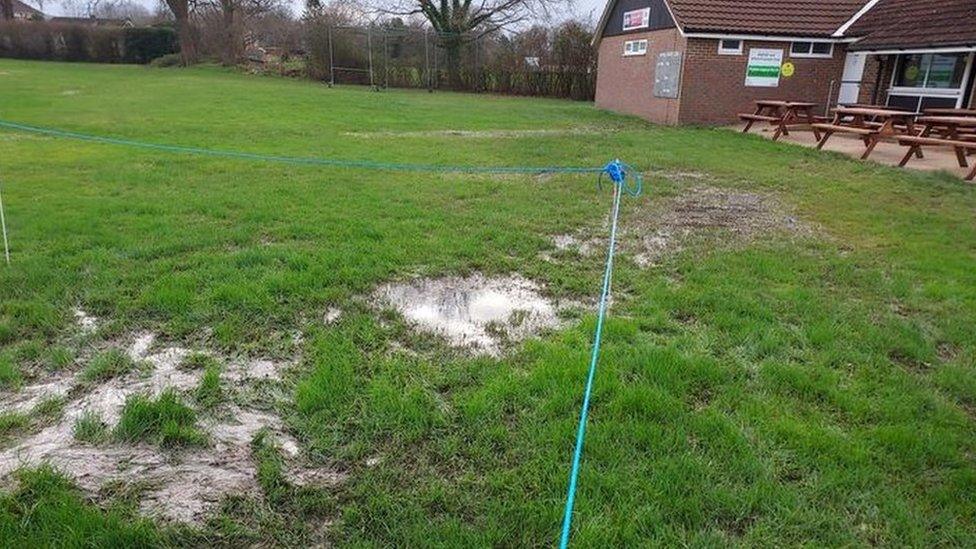
Sewage flooding has not been confined to homes alone. Alfold’s cricket pitch, a key community space, has suffered six sewage spillages since October 2023. During torrential rain, raw effluent has repeatedly spewed onto the field, rendering it unusable for sports, dog walkers, and children. Parish councillor Ed McCudden described the situation as "a public health menace," adding, "It's really unpleasant... when we have these big torrential rain pours, we have raw sewage boiling onto the cricket pitch."
Although the Environment Agency has sprayed the area with disinfectant after major spills, residents have reported it takes several days for the sewage to fully break down. Thames Water has acknowledged the problem, blaming recent storms, high groundwater levels, and localised flooding for overloading its sewer network. However, many in the village believe these excuses mask deeper infrastructure failings.
Jeremy Hunt, MP for Godalming and Ash, visited the affected areas and expressed his dismay:
"I've just been speaking to three local residents about a big leak that happened on Sunday, January 12 — absolutely disgusting. They had sewage coming right up to their front doors, they've got sandbags now to stop it, and it was like a river."
In response to these recurring issues, Mr. Hunt has called for immediate and decisive action, urging Thames Water to halt further developments in the area until substantial infrastructure upgrades are implemented:
"I request Thames Water urgently issues written confirmation of the current position to local planning authorities and developers — that Alfold’s existing infrastructure can take no more capacity and that no further homes should be considered or constructed until the required upgrades have occurred."
The situation in Alfold underscores the pressing need for investment in sewage infrastructure to protect residents and the environment from ongoing harm. It also highlights the critical role of Sustainable Drainage Systems (SuDS) in alleviating surface water pressure and protecting vulnerable communities. Well-designed SuDS strategies that combine nature-based interventions with advanced hydraulic modelling are increasingly recognised as essential tools in achieving long-term resilience.
Maids Moreton, Buckinghamshire: Development Amidst Infrastructure Deficits
In Maids Moreton, Buckinghamshire, plans to construct 170 new homes have sparked significant concern among residents and local advocacy groups. The village's existing sewage treatment facilities are reportedly operating at full capacity, raising fears that additional housing could exacerbate sewage overflows and environmental degradation.
The Maids Moreton & Foscote Action Group (MMFAG) has been vocal in its opposition, highlighting flaws in the planning process and the potential risks to public health and the local ecosystem. Their efforts have brought national attention to the issue, emphasizing the need for thorough assessments of infrastructure capabilities before approving new developments.
This situation illustrates the broader challenges faced by communities where development pressures outpace the capacity of essential services. It underscores the importance of incorporating drainage assessments and flood modelling early in the planning process — particularly Flood Risk Assessments (FRAs), which are essential for evaluating a site's vulnerability to flooding and determining appropriate mitigation strategies. A robust FRA not only considers current risk but integrates climate projections and cumulative development impact, ensuring resilience across the lifetime of the development.
Bladon and Yarnton, Oxfordshire: Infrastructure Failures Close to Home
In November 2024, Colin Fletcher of Bladon, Oxfordshire, woke up to find raw sewage flooding into his home. A blocked overflow pipe and an overwhelmed sewer system allowed a mixture of stormwater and wastewater to back up through the drains and surge through the ground floor. "It's mucky. You spot bits of loo paper inside it. It smells. And in it comes, into the house," he told the BBC. Mr Fletcher and his wife were forced to leave their home for three months.
He believes part of the blame lies with Thames Water's decision to block an overflow pipe that historically helped divert excess water into a nearby stream. But deeper than that, he points to a failing pumping station and an inadequate sewer system. "We still have the problem that Thames Water are responsible for: that their sewer is inadequate, their pumping station is inadequate."
Nearby in Yarnton, Martin Johnson has experienced chronic problems with his downstairs toilet nearly overflowing. He attributes it to collapsed pipework under a local roundabout — pipework so old it's deteriorated beyond functional use. "I'm the symptom [of the problem]," he said. "It's frustrating to be a consistent symptom of a problem they don't appear to be fixing."
Both residents have raised the issue with Calum Miller, MP for Bicester and Woodstock. Mr Miller said the cases reflect a wider national pattern:
"I'm really frustrated that Thames Water are not taking these issues more seriously and doing much more to support their customers... They tell us that's the priority for them, but their actions don't seem to live up to that."
He called the current water regulation system "broken" and advocated for the creation of a single, empowered water regulator with oversight of both economic and operational performance.
Reading, Berkshire: A Community Hub in Crisis
In Reading, the non-profit education support group The Hub by Aurora Family suffered a severe blow in September 2024 when 12 inches of sewer water flooded its basement. The flood destroyed valuable equipment including laptops, art supplies, and learning materials, causing over £13,000 in damage.
Nancy Magon, who runs the hub, described the aftermath as devastating: "It decimated our business, we're crawling back now." Thames Water eventually removed 40 metres of scale from the drain, but not until four months after the flood. During that time, the basement could not be renovated, and the hub was forced to pay for a second rental space to continue operations.
Although Ms Magon had insurance, she was advised to pursue a claim through Thames Water first — a process still ongoing months later. "We were in complete limbo," she said.
Parent Rachel Lockett, whose daughter with autism attended the hub, praised its transformative impact: "It was life-changing having an activity she felt safe doing... she used to be terrified to go anywhere."
Thames Water issued an apology, stating: "We’re very sorry that the Aurora Family Hub experienced internal sewer flooding, and we recognise the disruption this can cause to business."

The Infrastructure Gap: Development Outpacing Drainage Investment
What these case studies make abundantly clear is a national issue: development is accelerating, often in response to housing shortages and growth targets, but the supporting drainage infrastructure is not keeping pace. Across the country, there is growing tension between planning consent and the real-world capacity of sewers, treatment works, and stormwater systems.
In many areas, particularly in older settlements, foul and surface water often share combined sewer systems — a legacy setup now ill-suited to modern volumes and climate variability. When these systems are overwhelmed, it leads to surcharging, pollution, and the kind of devastation witnessed in Alfold. The continued reliance on such infrastructure highlights the urgency of moving towards separated systems where possible, to reduce the burden on wastewater networks and protect natural watercourses.
Sustainable Drainage Systems (SuDS) play a vital role in bridging this infrastructure gap. By managing rainwater at the surface, slowing its flow, and promoting infiltration, SuDS reduce the risk of sewer overload. Their incorporation into new developments is not only good practice — it is critical. Retrofitting SuDS into existing urban fabric also offers a path to more resilient, future-proofed communities.
Addressing these systemic issues will require a joined-up approach across planning, regulation, engineering, and community design — ensuring infrastructure upgrades are not an afterthought, but a foundation.
Industry Reckoning: What Comes Next?
Planning policy and infrastructure investment must now evolve to reflect the risks exposed by Thames Water's potential collapse. Comprehensive Flood Risk Assessments (FRAs) — when properly conducted — offer a vital opportunity to evaluate not only site-specific vulnerabilities, but how developments will interact with stressed sewer networks and overburdened treatment plants. Meanwhile, the strategic use of Sustainable Drainage Systems (SuDS) provides a scalable, nature-based complement to traditional infrastructure, reducing pressure on legacy networks while enhancing climate resilience.
Thames Water’s predicament has become a case study in the failings of the UK’s privatised utility model. A combination of high debt, underinvestment, poor environmental stewardship, and weak governance has pushed the company to the brink.
The regulatory and political response will be closely watched. Options on the table include tighter regulation, restructuring, or even placing the firm into special administration — effectively bringing it back under public control. Whatever the outcome, the priority must be restoring public trust and securing basic service delivery for the millions of people who rely on Thames Water every day.
For communities like Alfold and Maids Moreton, this is not just a story of boardroom failures and balance sheets — it’s about whether they can safely flush a toilet, sell a home, or walk through their village without fearing contamination. The stakes could not be more real.
As scrutiny increases, it is clearer than ever that sustainable drainage, climate-resilient planning, and community-focused investment are no longer optional. They are essential. And companies like Unda stand ready to support the public and private sectors in delivering those outcomes.

One of our experienced Flood Risk Consultants will get back to you within 60 minutes